Texas County · Oklahoma

Emergency Remote Man Camp & Sleeper Trailer Rentals In Hooker.

Man camp rentals and sleeper trailers are available in Hooker for teams staying in Texas County during a utility or maintenance assignment. For work around a well site or airport support property, coordinate the camp location with the actual access arrangements. Supporting restroom, shower and laundry facilities can accompany the rental, and emergency deployment planning is available 24/7.

Serving Hooker, Oklahoma · 24/7 emergency deployment and ongoing support. Confirm your unit mix and delivery schedule with our team.
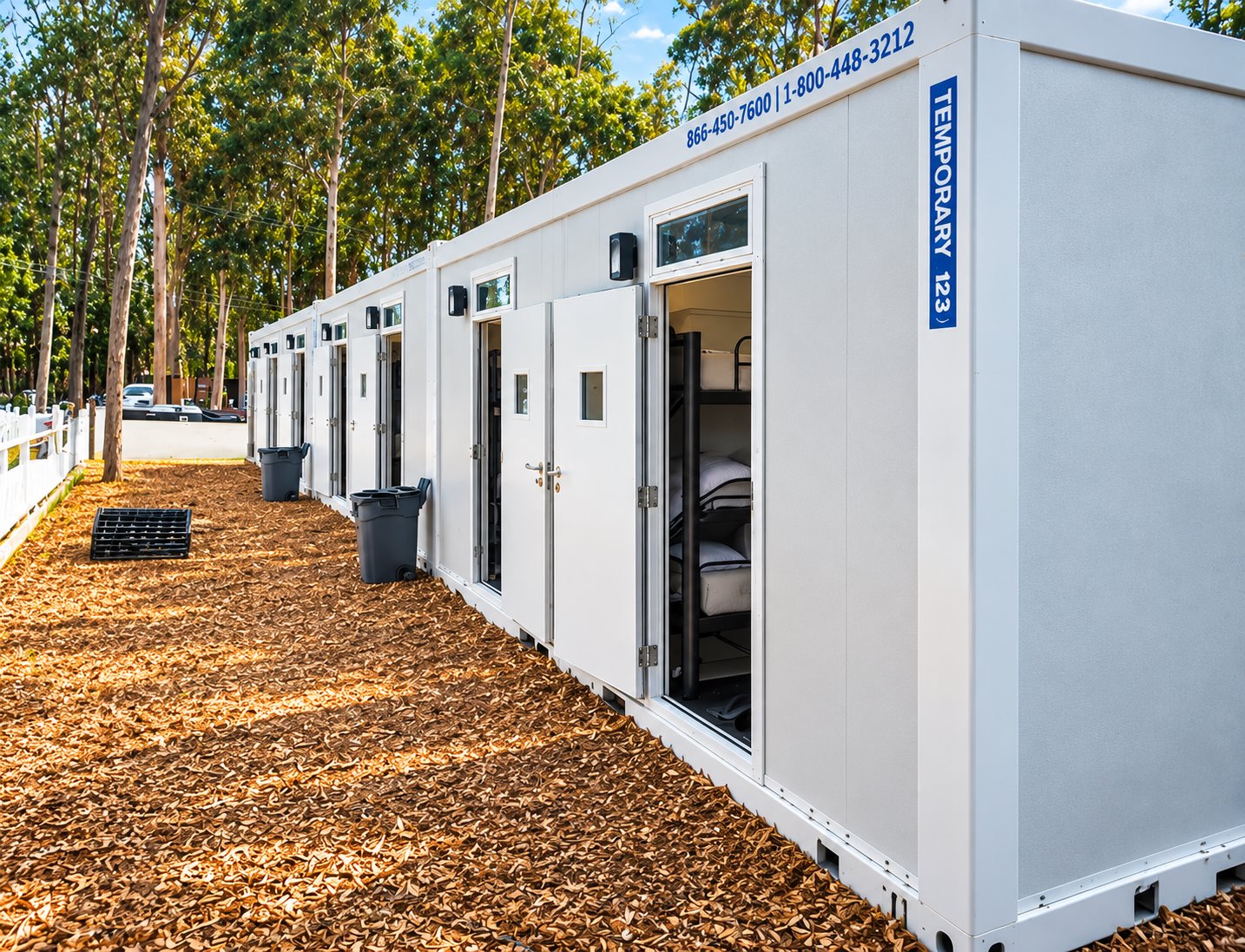
Sleeping & accommodation

Sleeper options for your Hooker project.

Compare the published sleeper and accommodation models, then open a model page for its full details.
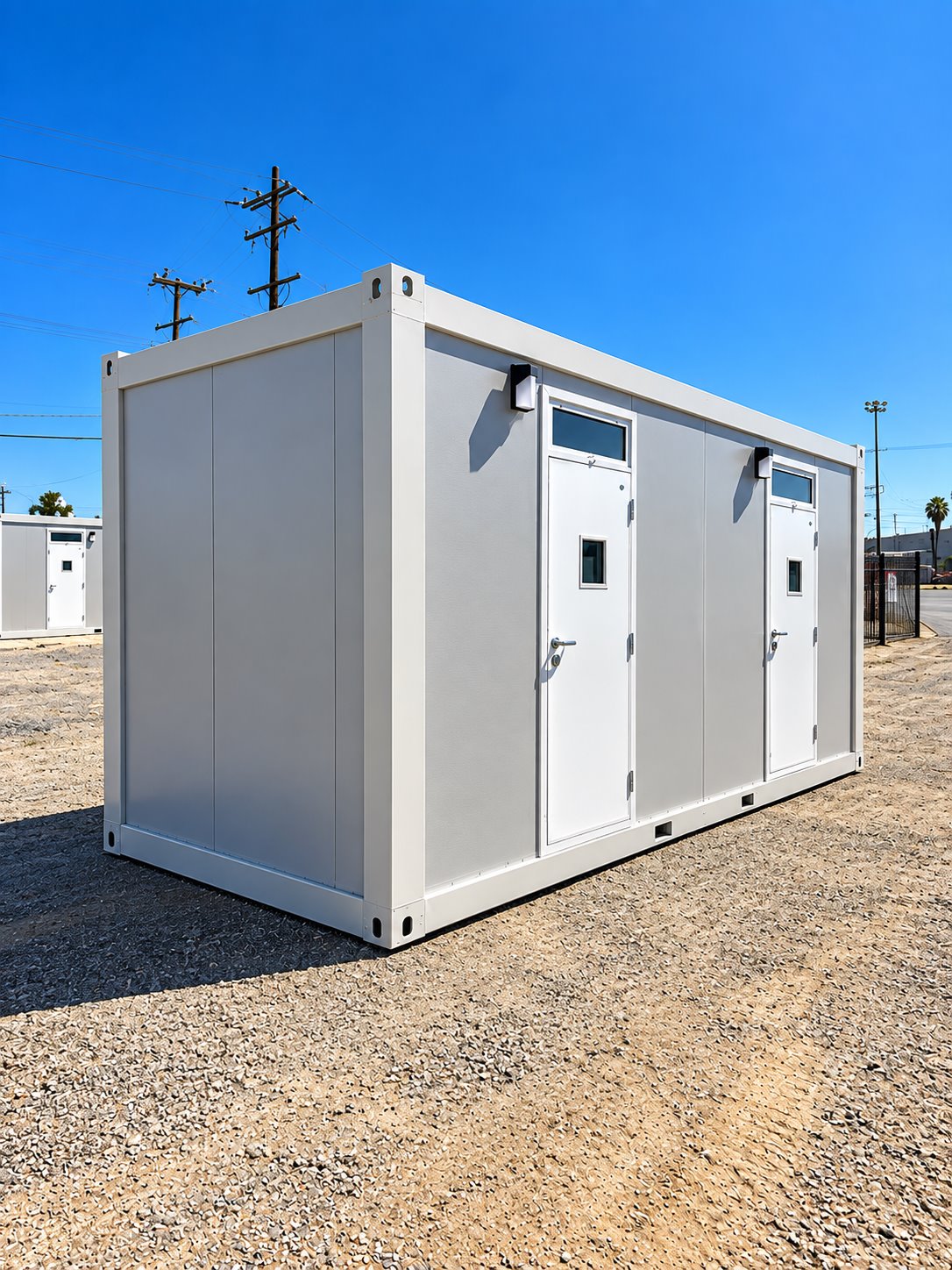
Exterior view of two-stall sleeper trailer
Sleeper accommodation

2-Stall Sleeper Trailer

Plan separate sleeping areas for a small crew or assigned staff. The 2-stall sleeper option can form part of a temporary camp without committing to a large shared sleeping hall.

View model details ↗
Exterior side view of 20ft contractor accommodation unit
Sleeper accommodation

20ft Contractor Sleeper Trailer

The 20ft Contractor Sleeper Trailer is described with individual sleeping areas, heating, air conditioning and storage for personal belongings or work equipment.

View model details ↗
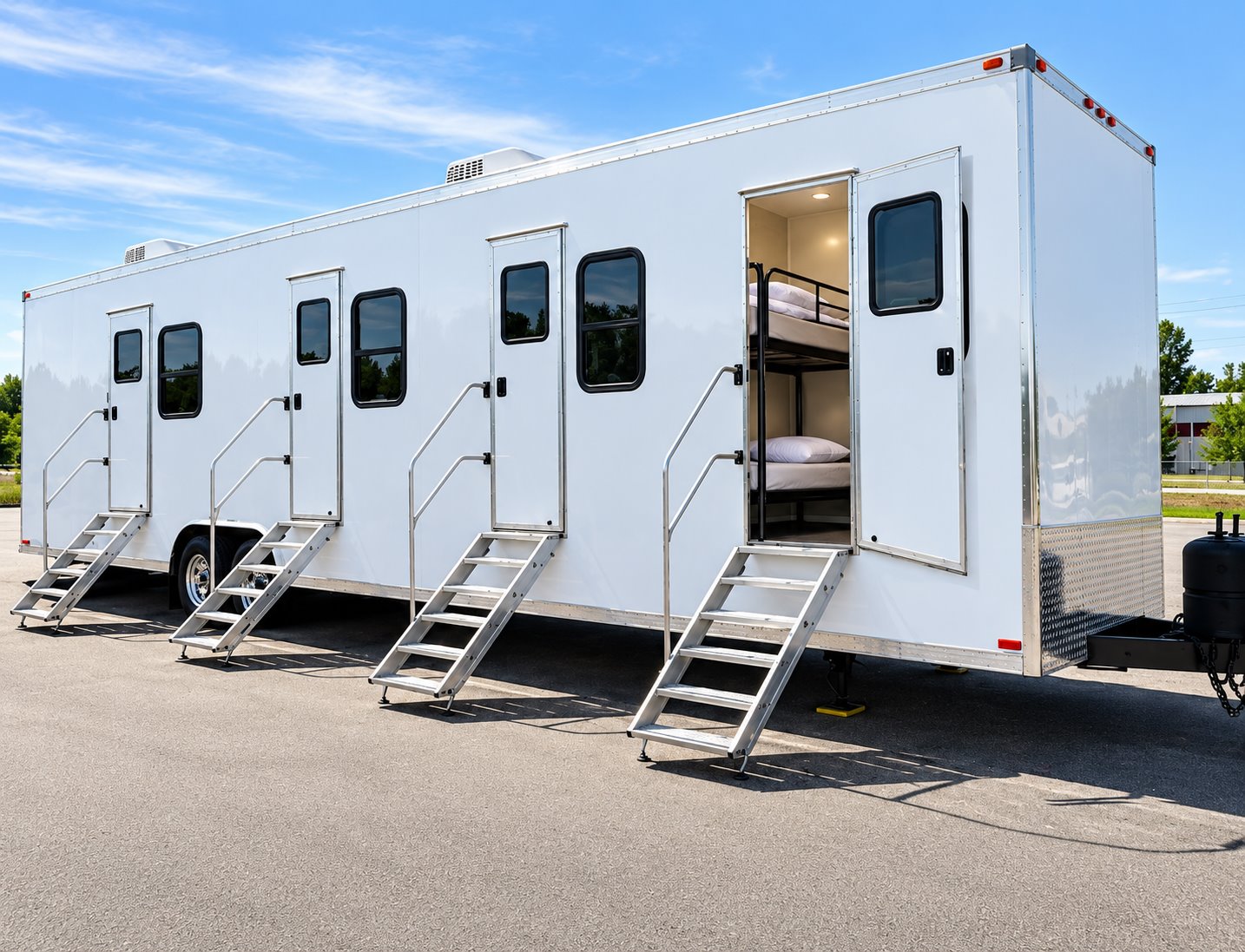
Exterior of 20ft VIP accommodation trailer
Sleeper accommodation

20ft VIP Sleeper Trailer

The 20ft VIP Sleeper Trailer is listed with a private sleeping area, bathroom, kitchenette and space for work or relaxation. Heating and air conditioning support the accommodation.

View model details ↗
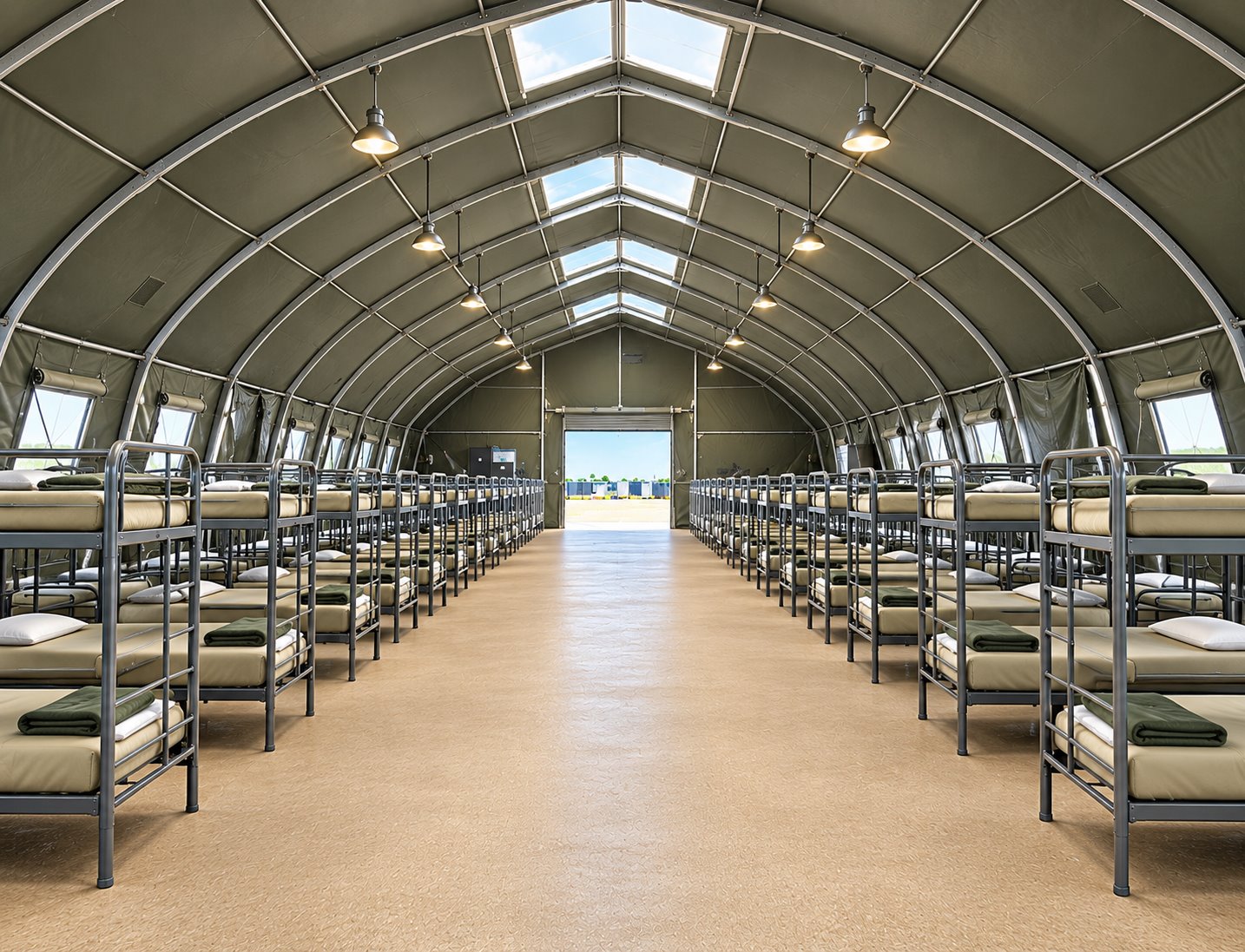
Shared bunkhouse interior with rows of sleeping bunks
Sleeper accommodation

Temporary Sleeping Facilities

Create a shared sleeping area for a larger temporary workforce. Bunkhouse-style sleeping facilities help organize crew accommodation alongside a separate kitchen, dining area, and hygiene facilities.

View model details ↗
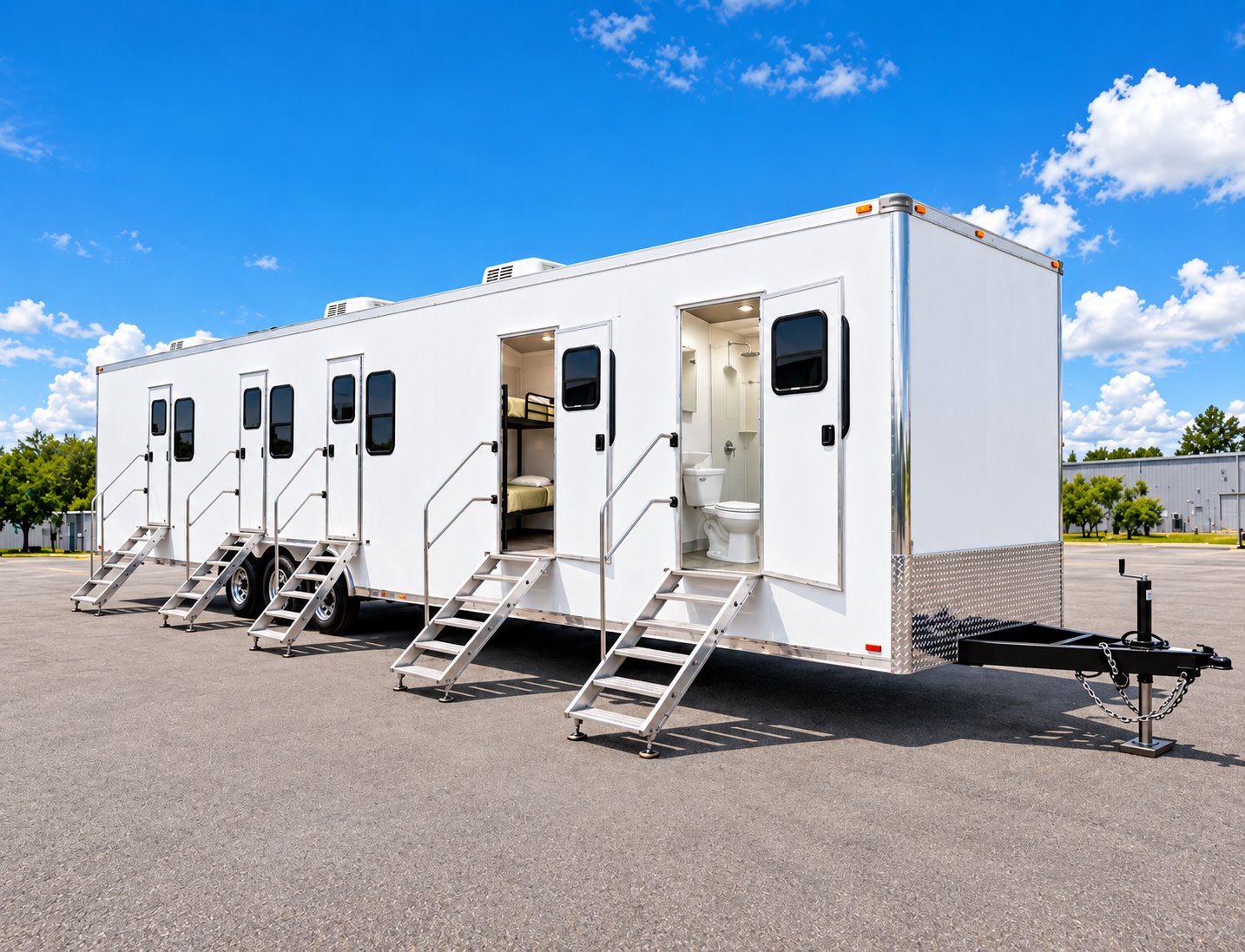
Combination office, sleeper, shower, and restroom trailer
Sleeper accommodation

Office, Sleeper, Shower & Restroom Trailer

Bring working, resting, and personal-care functions into one crew-support location. This combination trailer is an option for projects that need more than a stand-alone office or sleeping unit.

View model details ↗
Configuration at a glance

Compare sleeper specifications.

Published specifications are shown for each model. Confirm the assigned unit and site requirements when requesting availability.

Sleeper and accommodation configurations for Hooker, Oklahoma
ModelPublished specifications
2-Stall Sleeper Trailer ↗
  • Model2-stall sleeper configuration
  • Sleeping arrangementConfirm room layout and beds for the selected unit
  • Project roleSmaller crew accommodation within a temporary site
  • PlacementDelivery method and final positioning coordinated for the site
20ft Contractor Sleeper Trailer ↗
  • Model class20ft contractor accommodation
  • Sleeping arrangementBunk-room configurations; confirm the selected layout
  • Project roleTemporary crew accommodation
  • Site coordinationDelivery access, placement, electrical supply, and camp facilities
20ft VIP Sleeper Trailer ↗
  • Model class20ft VIP accommodation
  • Planning focusRoom privacy, sleeping arrangement, and furnishings
  • Project roleTemporary accommodation near the assignment
  • Selected layoutRoom and bed arrangement confirmed with the quote
Temporary Sleeping Facilities ↗
  • Facility typeShared bunkhouse-style sleeping area
  • Interior arrangementRows of bunks with a central aisle
  • Layout planningBed arrangement, circulation, and personal storage
  • Camp coordinationDining, showers, restrooms, laundry, and site utilities
Office, Sleeper, Shower & Restroom Trailer ↗
  • Equipment typeCombination crew-support trailer
  • Main functionsOffice, sleeping, shower, and restroom
  • Layout reviewWork areas, beds, shared spaces, and storage
  • Site connectionsConfirm electrical, water, and wastewater arrangements

Configuration and availability depend on the selected unit and project requirements.

Hooker replaced its aging airport fuel system in 2025

A ribbon cutting on November 17, 2025 marked the installation of a self-service 100LL and Jet A fuel system at Hooker Municipal Airport. The old Jet A tank had been removed from service, while the 100LL system needed frequent maintenance. A portable restroom trailer could be staged for an authorized crew working through a future aviation-facility upgrade.

ODAA put the project near $1 million, funded by state, federal, and local shares. It reports the new system as installed; the airport is about a mile west of downtown and serves general aviation, agricultural aircraft, and medical transport. This source does not imply any rental support was used.

A new well was put out to bid in Hooker

A July 2025 public listing describes Hooker Water Well No. 6, including a well house and water-distribution piping. The bid record identifies the City of Hooker as owner and calls for the work to be bid as one project. If an eventual contractor needs a staffed field base, a contractor sleeper trailer might support long shifts without repeated trips away from the authorized work area.

The listing confirms a procurement milestone; it does not establish who won the bid, when construction began, or whether the well is now operating. Keeping those stages separate is useful for residents following water-system improvements.

Facility options

Support your Hooker crew.

Plan sleeping accommodation together with the site services that make a longer assignment workable.
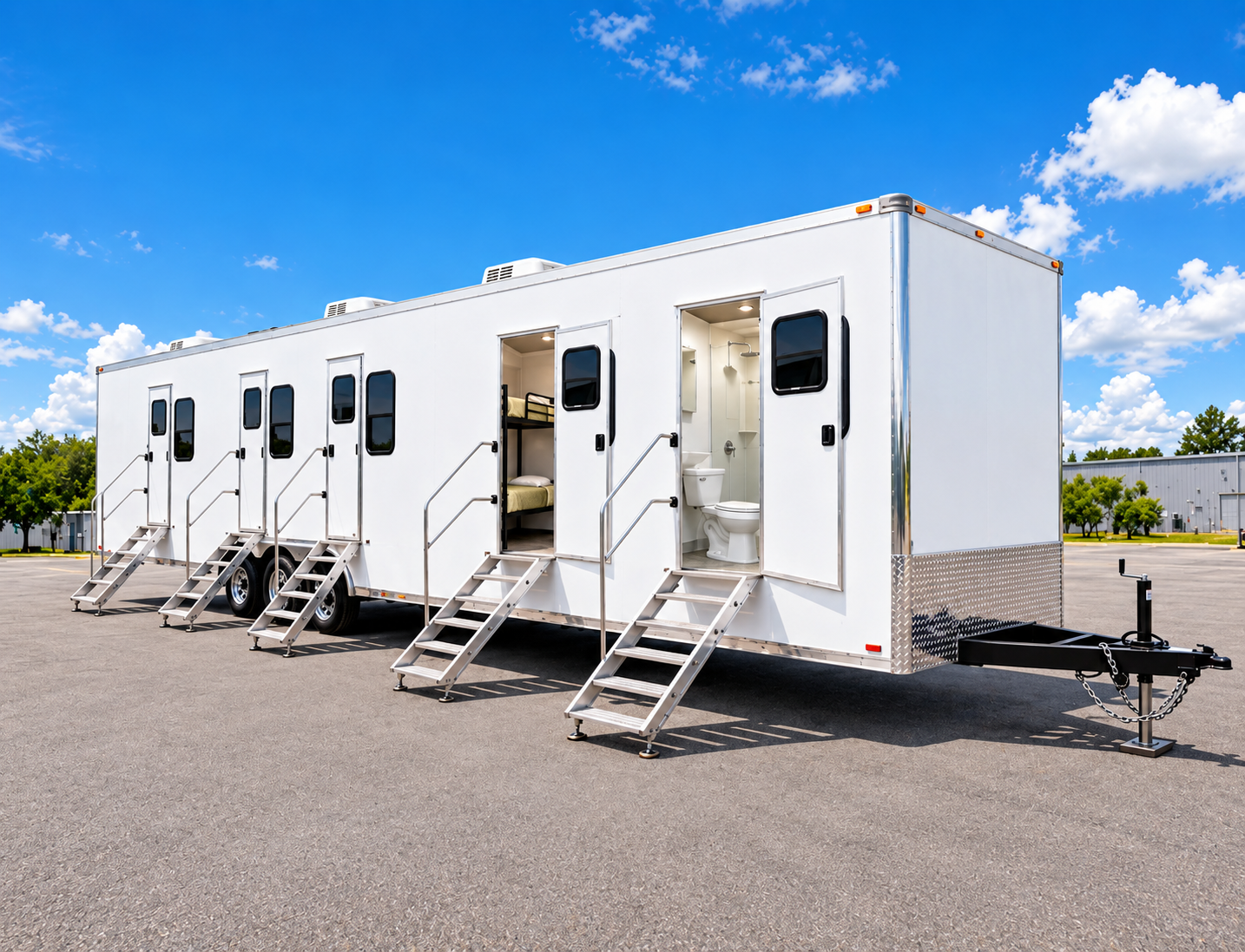
Temporary workforce facility with sleeper rooms, restroom, and shower access

Man Camp Facilities

Plan temporary workforce accommodation around your site, crew size, project timeline, and daily needs. EZE Trailer Rentals coordinates sleeper units with supporting shower, restroom, and laundry facilities as one site plan.

Explore facility ↗
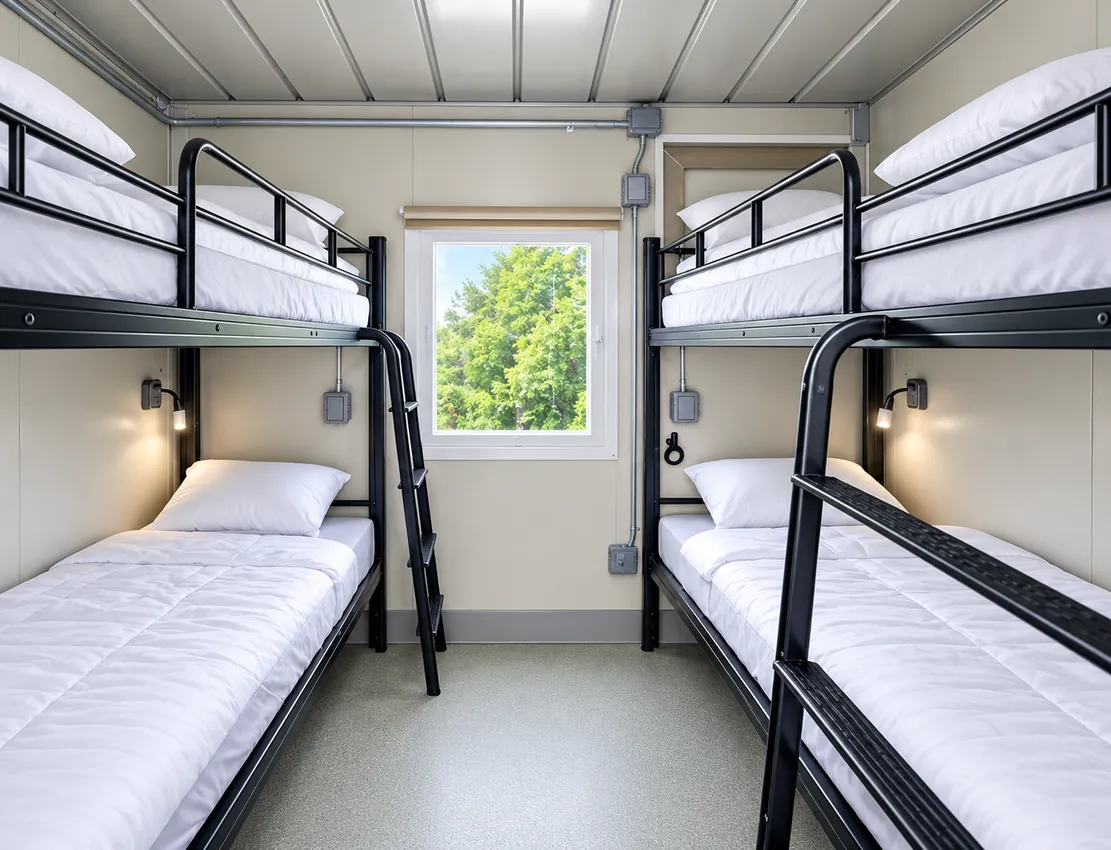
Bunk-style sleeping accommodation inside a temporary sleeper unit

Sleeper Trailers & Units

Explore temporary sleeping accommodation for crews working away from permanent housing. Unit layouts and capacity vary, so planning starts with your crew count, privacy needs, dates, and site conditions.

Explore facility ↗
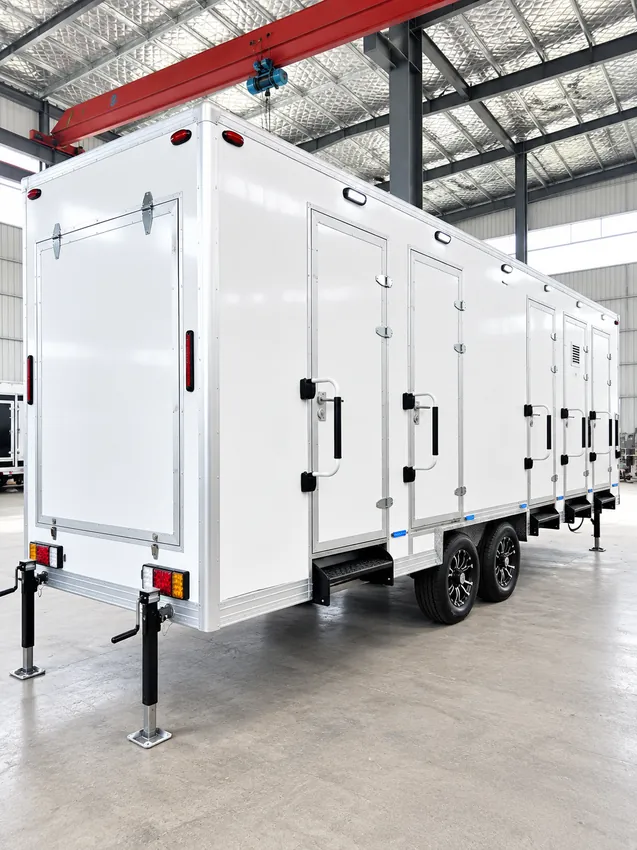
Temporary multi-stall shower trailer at a project site

Shower Trailers

Add temporary shower facilities to a workforce camp or remote project site. We review peak use, layout, water and wastewater connections, delivery access, and the project schedule before confirming a configuration.

Explore facility ↗
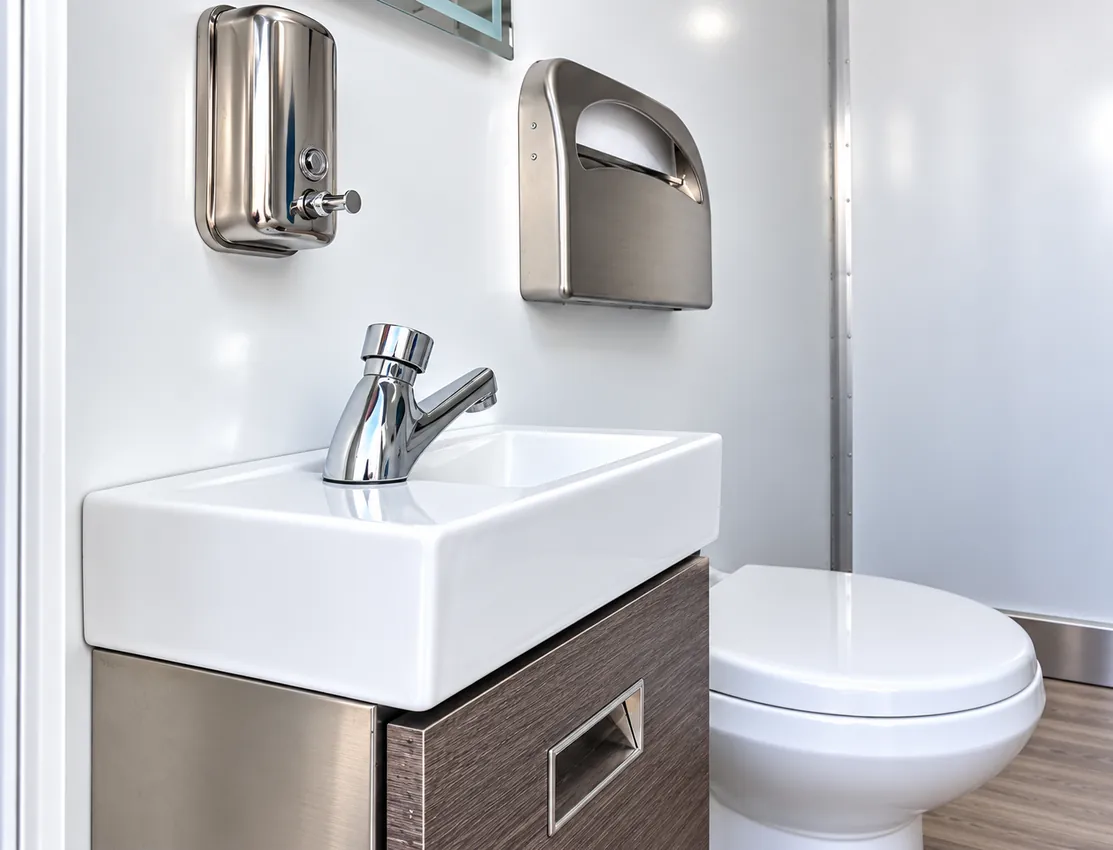
Sink and toilet inside a temporary restroom facility

Restroom & Bathroom Trailers

Plan temporary restroom and bathroom facilities for workforce housing, construction, and remote operations. Fixture mix, accessibility needs, site servicing, utilities, and availability are confirmed for each project.

Explore facility ↗
Temporary shower and restroom combination facility

Restroom & Shower Combination

Temporary combined restroom and shower facilities for projects that need both functions at one site.

Explore facility ↗
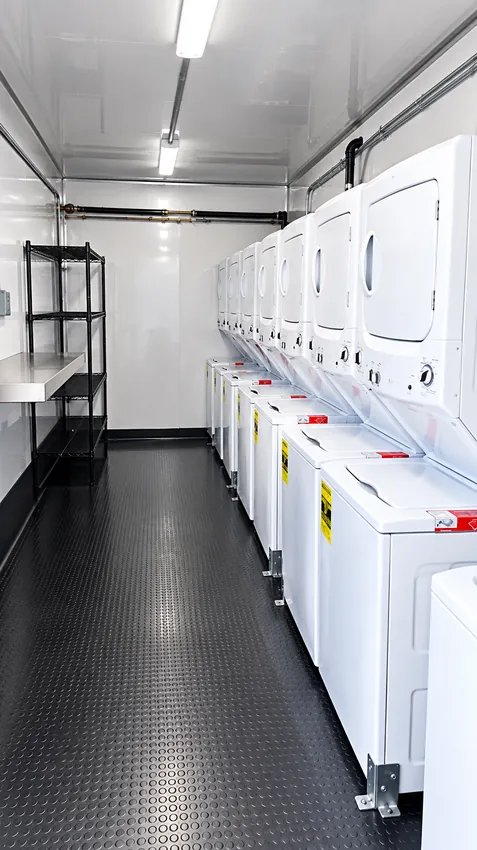
Commercial washer and dryer units inside a temporary laundry facility

Laundry Trailers

Support longer assignments with temporary laundry facilities planned around crew size, expected loads, utilities, servicing, and available space at the site.

Explore facility ↗

Hooker’s first post office came before the town lots

The post office for the future Hooker opened in 1902, the same year the Rock Island laid track southwest from Liberal, Kansas, toward Texhoma. The name honored OX ranch foreman John “Hooker” Threlkeld, according to historian Henry Chrisman cited by OHS. A present-day heritage program could place a portable restroom trailer at its approved venue while explaining how postal and rail links preceded the townsite sale.

The Chicago Townsite Company oversaw the organization and sale of lots in 1904, so the post office and railroad should not be collapsed into one founding-day event. They were distinct steps in the community’s formation.

The 1908 fire destroyed most of Hooker’s business district

A fire on June 1, 1908 destroyed three-fourths of Hooker’s business district. OHS gives the loss as 33 business buildings across two full blocks and notes the high wind that helped the blaze spread. The Hooker Advance’s historical archive preserves the contemporaneous local record. If a future fire-safety or downtown-recovery exercise is organized, a portable handwashing station station could serve authorized crews.

This was a documented townwide disaster, not simply the newspaper office burning: the newspaper building and press were lost in the same fire. The record helps explain why later accounts describe a reconstructed commercial center.

Plan the site

Start with your workforce and location.

Share the crew size, project term, rooming preferences, and service needs. We’ll review practical placement, access, utilities, and delivery considerations for the address.

Discuss your site ↗

The Hooker Advance began publishing in 1904

The Hooker Advance’s first issue appeared on February 19, 1904. By 1907 its circulation was reported between 700 and 1,000, substantial reach for a town that counted 448 residents that year. A temporary shower-restroom trailer could make sense for a future archival open house where researchers and visitors spend a long day with local records.

OHS notes the paper is still in circulation, though its early plant did not survive the 1908 business-district fire. The title’s longevity therefore spans both an early catastrophe and a later community rebuilding period.

Hooker was laid out on a rail-oriented street grid

The 1904 town plat arranged Hooker’s streets in a grid parallel and perpendicular to the railway, rotated about 45 degrees from the township survey. The State Historic Preservation Office describes it as a T-town plan, with an unusually large share of business lots. A future walking tour could place a portable restroom trailer at an approved stop along the original commercial core.

That design reflects a railroad town whose founders expected commerce to cluster close to the tracks. It is a built-environment story that remains visible in the street pattern, rather than a claim that every original building survives.

Wheat farming helped Hooker grow beyond a rail stop

Hooker developed as the market town for a wheat-producing hinterland. OHS traces rapid early growth to 448 residents by 1907 and 1,628 by 1930, before the Depression and dust storms cut the population to 1,146 in 1940. During a future agricultural-history exhibit, a portable handwashing station station could be sited near demonstrations or food service.

The source ties the town’s prosperity to regional farming and transportation, not to a single crop harvest or a permanent population boom. Its census sequence shows how quickly conditions changed in the Panhandle.

Hooker’s airport has a broader capital plan beyond its fuel work

ODAA’s airport capital list includes possible runway-light rehabilitation, perimeter fencing, obstruction removal, apron work, and a future hangar. These are planning horizons with estimated costs, not proof that every item is funded or under construction. A portable restroom trailer could support a specific authorized airport work crew if one of those listed projects advances.

The fuel-system ribbon cutting is a separate completed improvement from these future capital entries. Reading the two records together gives a more accurate picture: one upgrade is installed, while other airport needs remain in the agency’s planning inventory.

Project planning questions

Hooker workforce facility FAQs.

Can you help plan a man camp near Hooker?

Share the project address, workforce count, schedule, and the services your crew needs. EZE Trailer Rentals will review sleeper and supporting facility options for the location.

Which supporting facilities can be planned?

The focus is sleeper accommodation with supporting shower, restroom or bathroom, and laundry facilities. The mix depends on your workforce and site requirements.

Can the facilities be coordinated as one site plan?

Yes. Share how the units need to work together, along with placement, utility, delivery access, and servicing requirements. Final configuration and availability are confirmed for the project.

What information helps plan a project in Texas County?

A project address, crew size, rooming needs, dates, access and placement details, available utilities, and the supporting services you want to include.

The railroad’s second line arrived in 1927

A second rail connection, the Beaver, Meade and Englewood line, reached Hooker in 1927. OHS records a population increase from 946 in 1920 to 1,628 in 1930 during that period of stronger rail access. A contractor sleeper trailer might support an authorized crew during a present-day trackside maintenance window, with site access and safety controls handled by the operator.

The later line was abandoned in 1972. Hooker’s current transportation story also includes its public airport and highway junction, so this rail-era milestone belongs to the town’s past rather than an assumption of active rail service.

The airport upgrade serves varied aviation users

ODAA says Hooker Municipal Airport’s new fuel system can serve single-engine piston aircraft, turboprop agricultural sprayers, and medical-transport helicopters. The public airport occupies 364 acres, has a 3,311-by-60-foot runway, and was home to nine based aircraft in the agency’s report. During a future authorized airport inspection, a temporary shower-restroom trailer could give a small team both wash and restroom access.

The agency estimated about 6,000 takeoffs and landings annually. That figure describes the airport activity in the published release, not a guaranteed current traffic count or a prediction of post-upgrade growth.

EZE Trailer Rentals

Plan your Hooker site.

Tell us about the crew, timeline, and facilities you need for your Oklahoma project.