Coal County · Oklahoma

Emergency Remote Man Camp & Sleeper Trailer Rentals In Centrahoma.

A pipeline-area repair or rural assignment in Centrahoma can be supported with available man camp accommodation and sleeper trailers for rent. Restroom facilities, showers and laundry can accompany the overnight space when crews stay through consecutive workdays. Our team handles emergency deployment requests 24/7, helping arrange temporary housing if an urgent Coal County job brings additional personnel to the site.

Serving Centrahoma, Oklahoma · 24/7 emergency deployment and ongoing support. Confirm your unit mix and delivery schedule with our team.
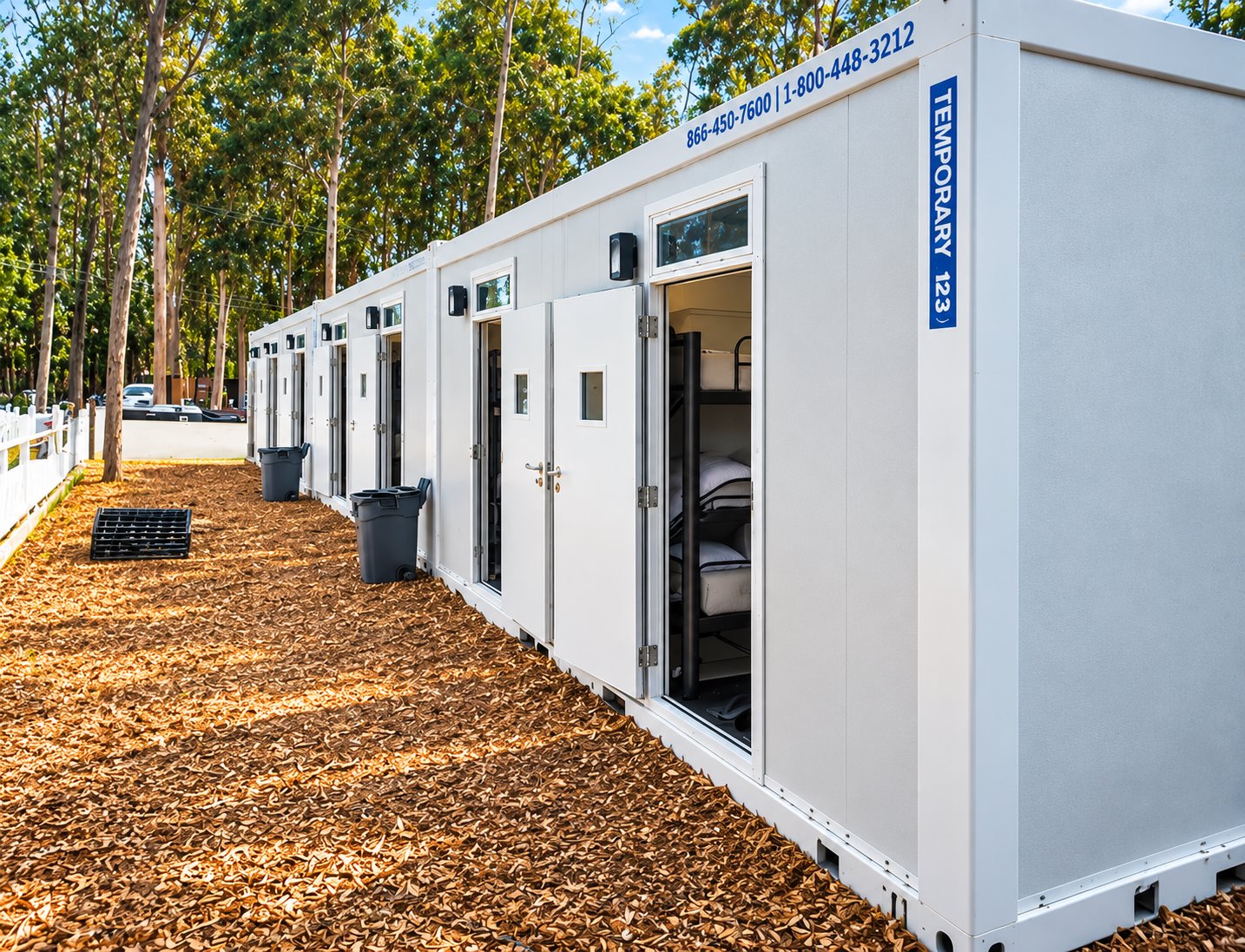
Sleeping & accommodation

Sleeper options for your Centrahoma project.

Compare the published sleeper and accommodation models, then open a model page for its full details.
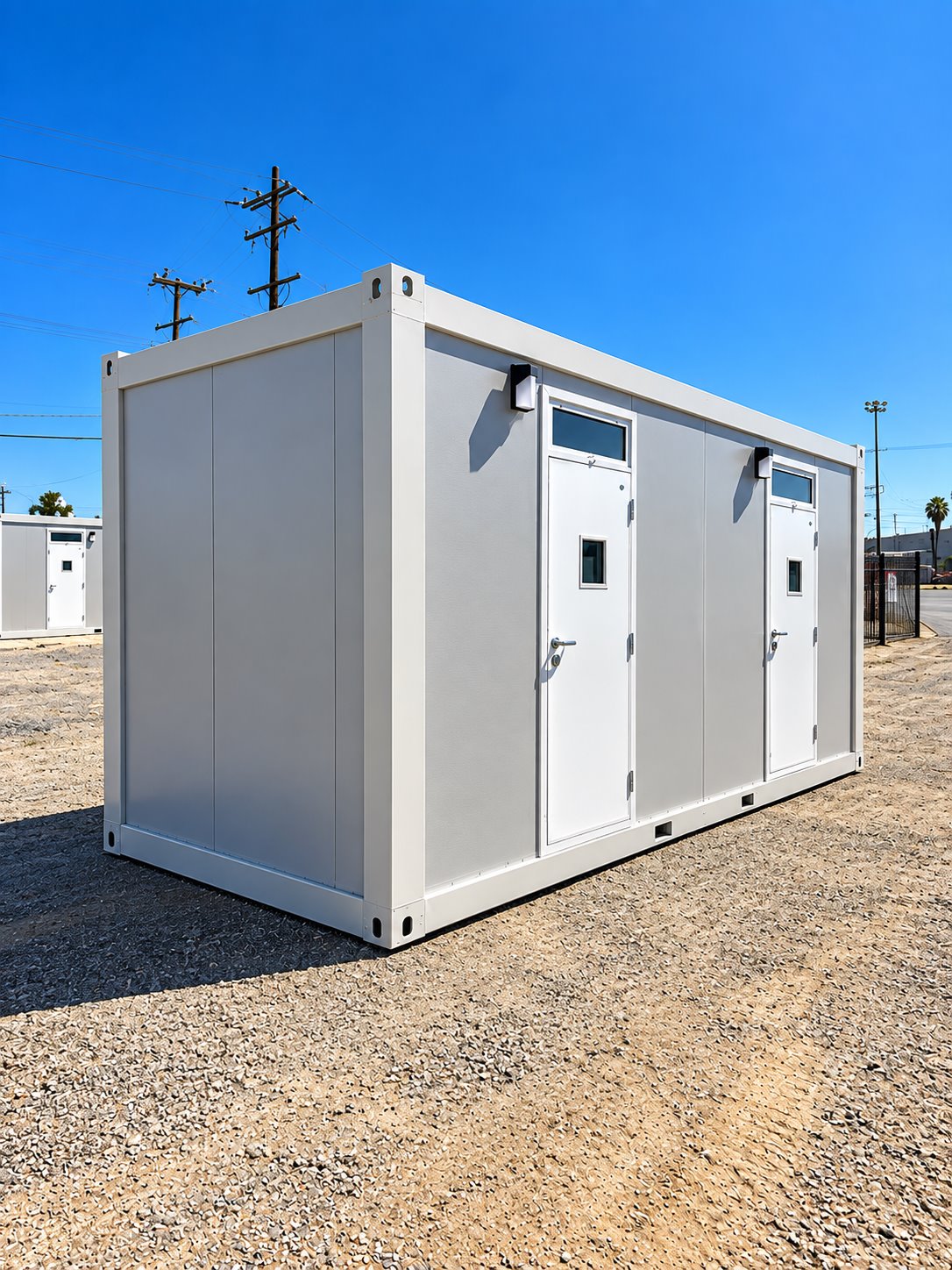
Exterior view of two-stall sleeper trailer
Sleeper accommodation

2-Stall Sleeper Trailer

Plan separate sleeping areas for a small crew or assigned staff. The 2-stall sleeper option can form part of a temporary camp without committing to a large shared sleeping hall.

View model details ↗
Exterior side view of 20ft contractor accommodation unit
Sleeper accommodation

20ft Contractor Sleeper Trailer

The 20ft Contractor Sleeper Trailer is described with individual sleeping areas, heating, air conditioning and storage for personal belongings or work equipment.

View model details ↗
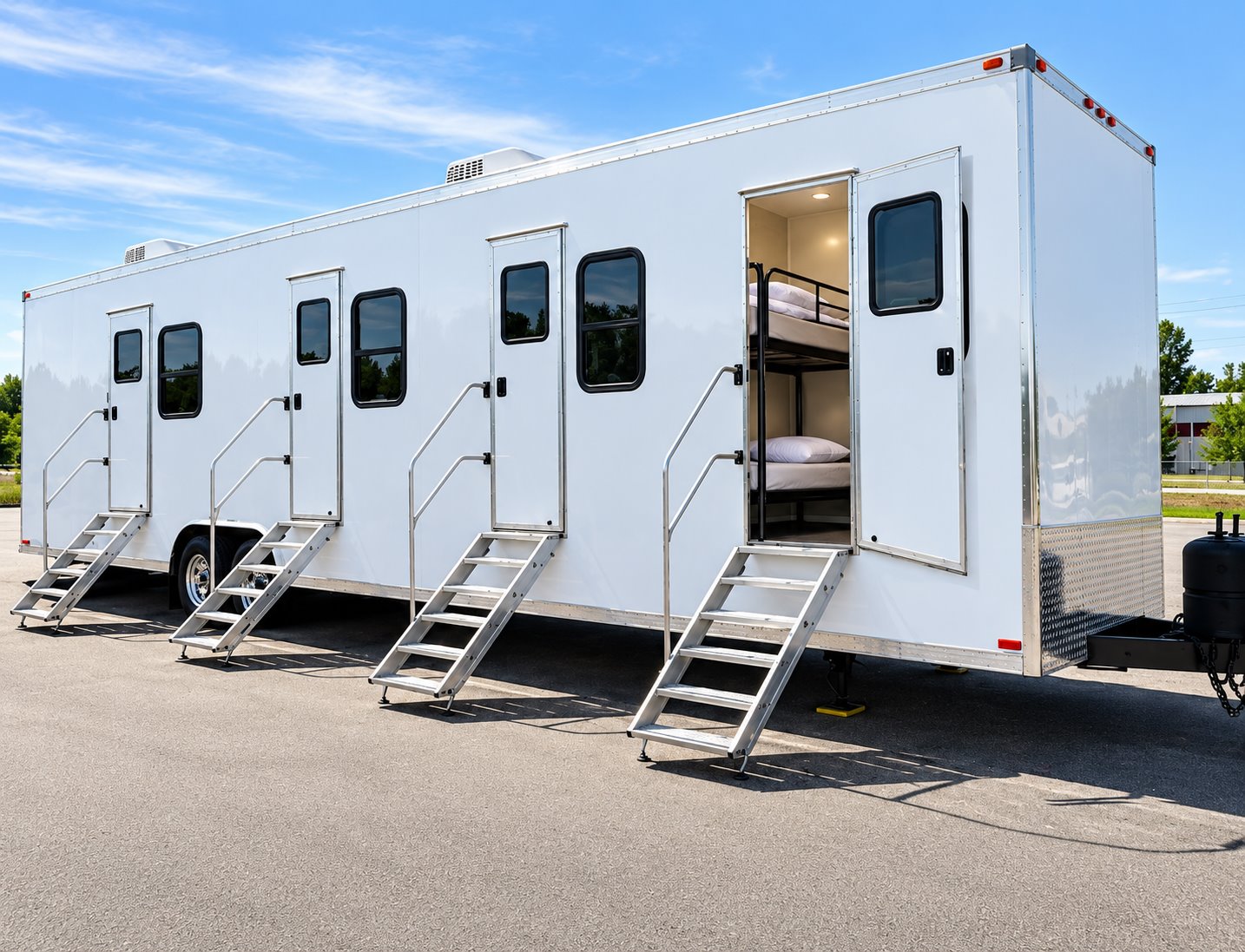
Exterior of 20ft VIP accommodation trailer
Sleeper accommodation

20ft VIP Sleeper Trailer

The 20ft VIP Sleeper Trailer is listed with a private sleeping area, bathroom, kitchenette and space for work or relaxation. Heating and air conditioning support the accommodation.

View model details ↗
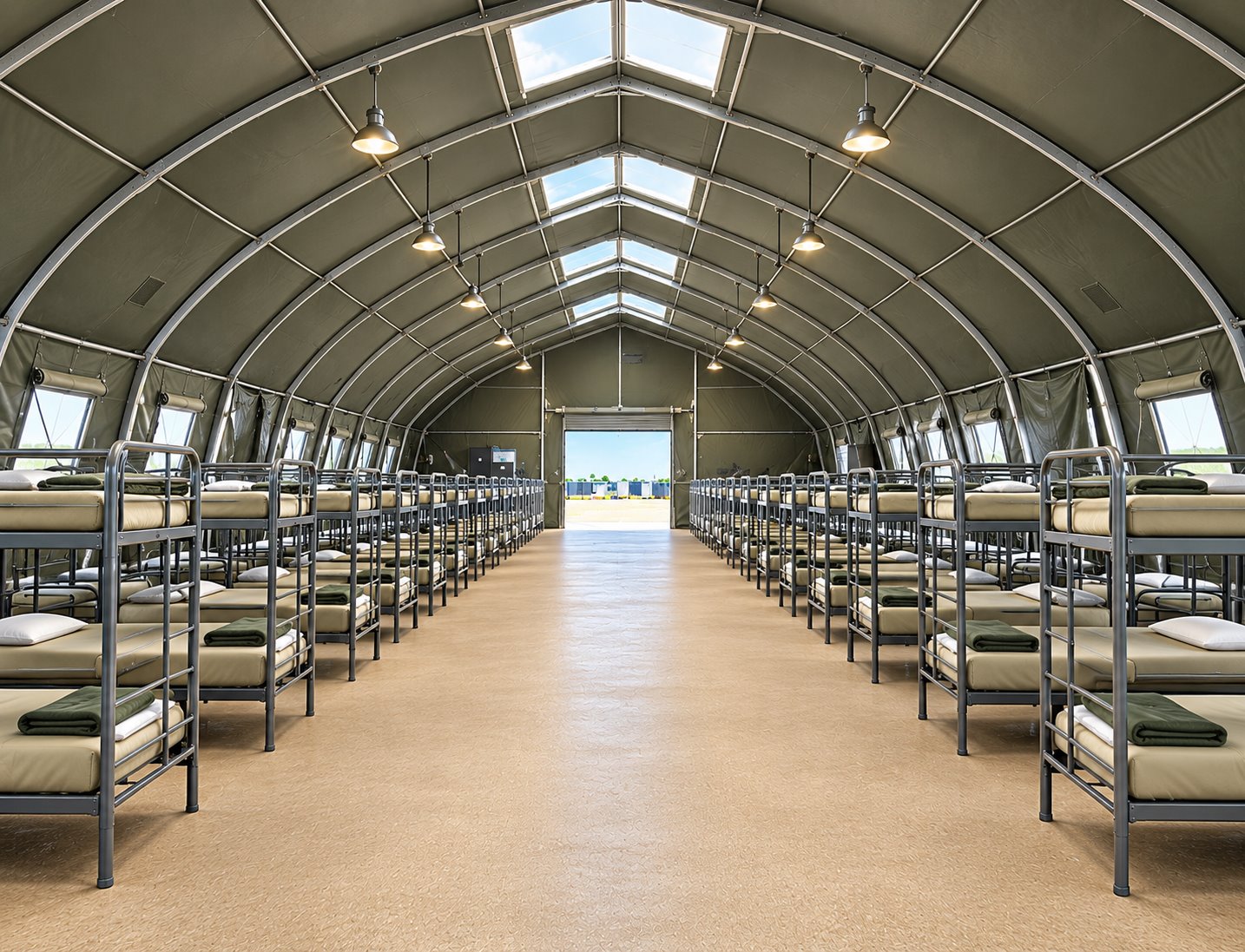
Shared bunkhouse interior with rows of sleeping bunks
Sleeper accommodation

Temporary Sleeping Facilities

Create a shared sleeping area for a larger temporary workforce. Bunkhouse-style sleeping facilities help organize crew accommodation alongside a separate kitchen, dining area, and hygiene facilities.

View model details ↗
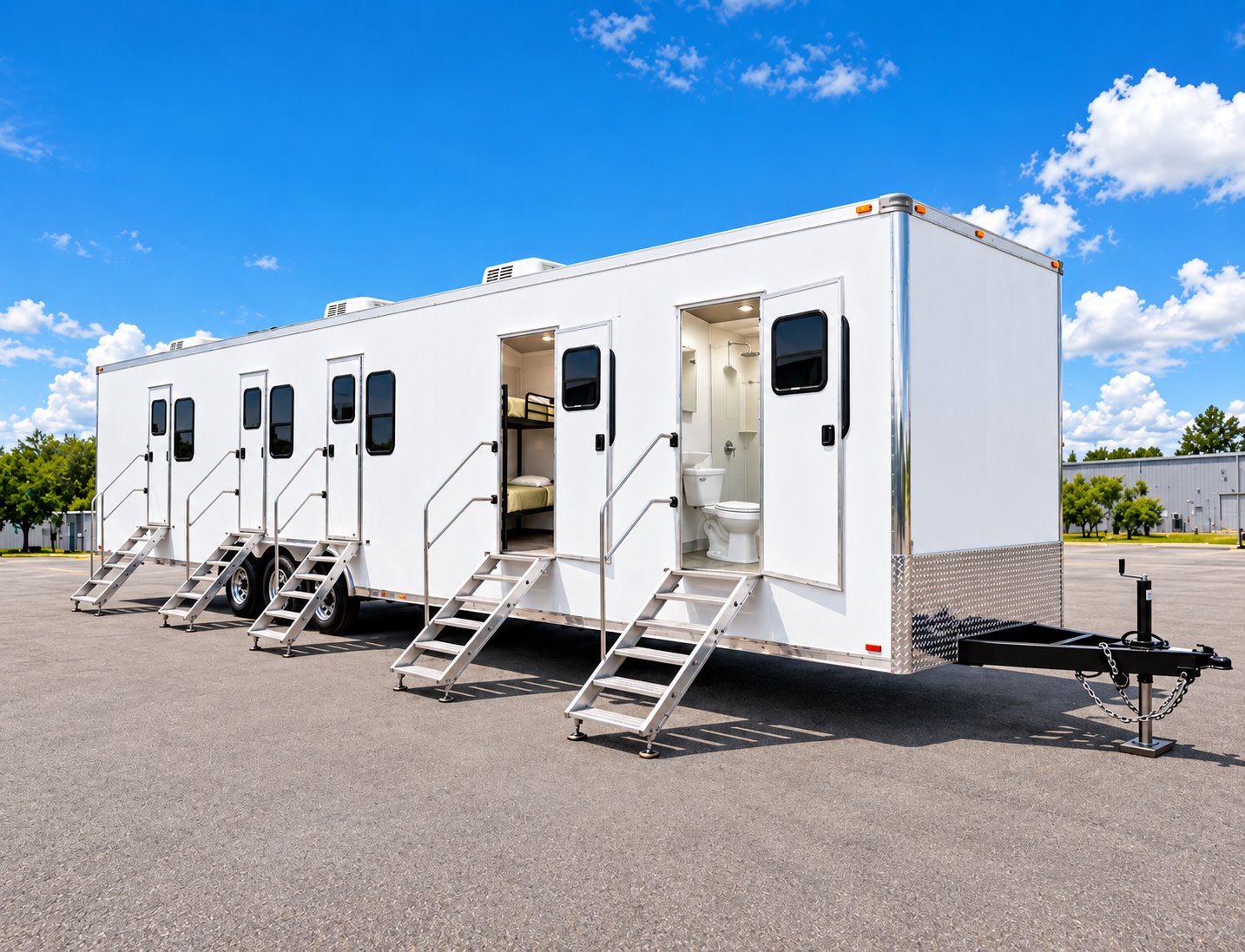
Combination office, sleeper, shower, and restroom trailer
Sleeper accommodation

Office, Sleeper, Shower & Restroom Trailer

Bring working, resting, and personal-care functions into one crew-support location. This combination trailer is an option for projects that need more than a stand-alone office or sleeping unit.

View model details ↗
Configuration at a glance

Compare sleeper specifications.

Published specifications are shown for each model. Confirm the assigned unit and site requirements when requesting availability.

Sleeper and accommodation configurations for Centrahoma, Oklahoma
ModelPublished specifications
2-Stall Sleeper Trailer ↗
  • Model2-stall sleeper configuration
  • Sleeping arrangementConfirm room layout and beds for the selected unit
  • Project roleSmaller crew accommodation within a temporary site
  • PlacementDelivery method and final positioning coordinated for the site
20ft Contractor Sleeper Trailer ↗
  • Model class20ft contractor accommodation
  • Sleeping arrangementBunk-room configurations; confirm the selected layout
  • Project roleTemporary crew accommodation
  • Site coordinationDelivery access, placement, electrical supply, and camp facilities
20ft VIP Sleeper Trailer ↗
  • Model class20ft VIP accommodation
  • Planning focusRoom privacy, sleeping arrangement, and furnishings
  • Project roleTemporary accommodation near the assignment
  • Selected layoutRoom and bed arrangement confirmed with the quote
Temporary Sleeping Facilities ↗
  • Facility typeShared bunkhouse-style sleeping area
  • Interior arrangementRows of bunks with a central aisle
  • Layout planningBed arrangement, circulation, and personal storage
  • Camp coordinationDining, showers, restrooms, laundry, and site utilities
Office, Sleeper, Shower & Restroom Trailer ↗
  • Equipment typeCombination crew-support trailer
  • Main functionsOffice, sleeping, shower, and restroom
  • Layout reviewWork areas, beds, shared spaces, and storage
  • Site connectionsConfirm electrical, water, and wastewater arrangements

Configuration and availability depend on the selected unit and project requirements.

Centrahoma’s pipeline record includes both construction and remediation

R&R Pipeline’s project history records a 23-mile, eight-inch pipeline assignment at Centrahoma for ONEOK among its completed 2014 work. A separate list places Line 21 remediation for Enable Midstream at Centrahoma in 2019. These are different documented assignments, spanning new construction and work on an existing line. Along a linear job, a contractor restroom trailer at the agreed staging yard could give workers bathroom access before they return to scattered work areas. The yard and service route would need to follow the contractor’s actual access arrangements. The records identify the operators and work types, giving a more specific picture of local industrial activity than the presence of a pipeline alone.

Centrahoma’s post office passed through Byrd and Owl before the town moved

The community’s postal record began at Byrd on March 3, 1892. The name changed to Owl in 1894, then the settlement shifted several miles northeast and became Centrahoma on June 11, 1907. That move followed a railway decision that bypassed the older site. A public history walk retracing the two locations would need a clear route plan; a portable restroom trailer is relevant only at a confirmed gathering point.

Facility options

Support your Centrahoma crew.

Plan sleeping accommodation together with the site services that make a longer assignment workable.
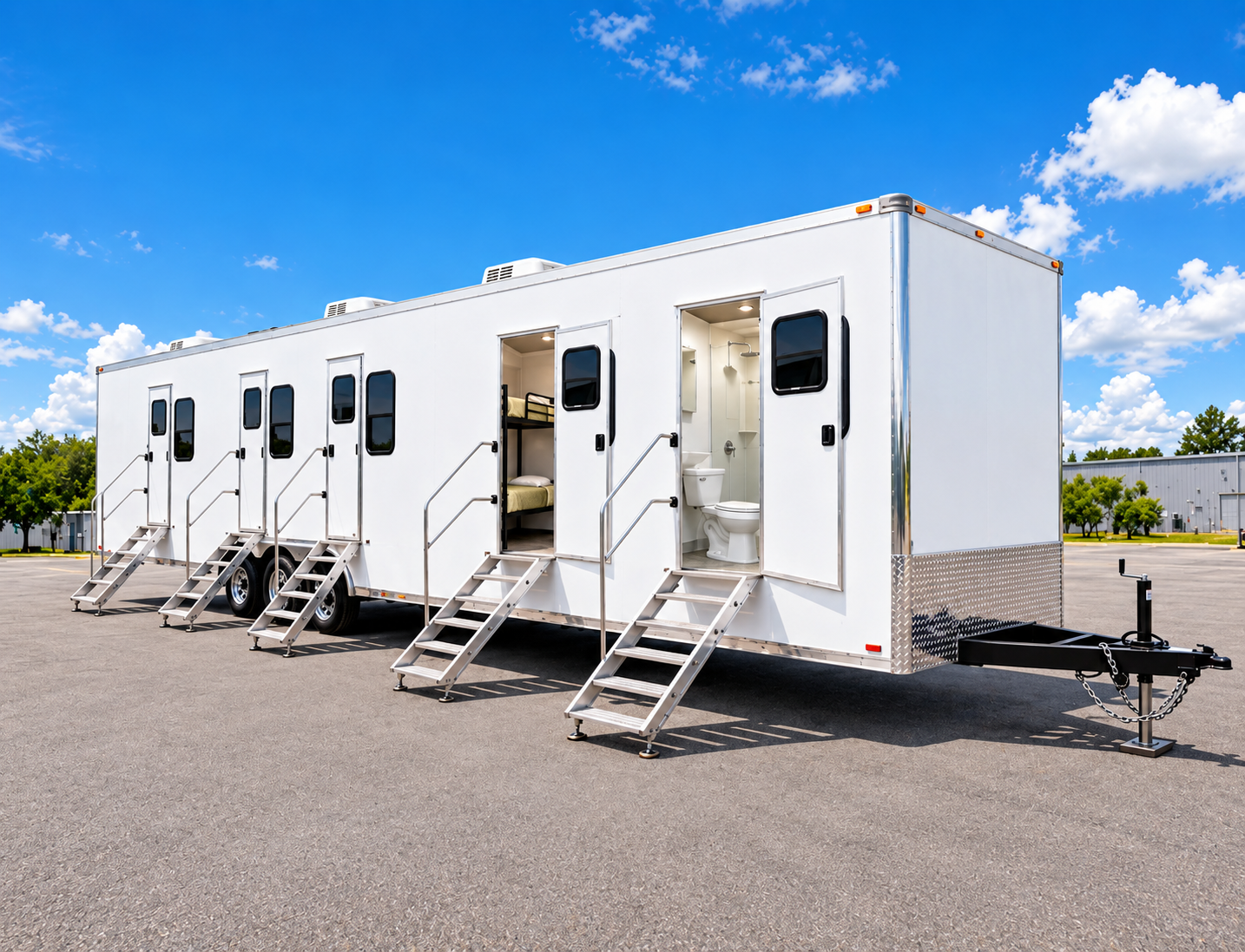
Temporary workforce facility with sleeper rooms, restroom, and shower access

Man Camp Facilities

Plan temporary workforce accommodation around your site, crew size, project timeline, and daily needs. EZE Trailer Rentals coordinates sleeper units with supporting shower, restroom, and laundry facilities as one site plan.

Explore facility ↗
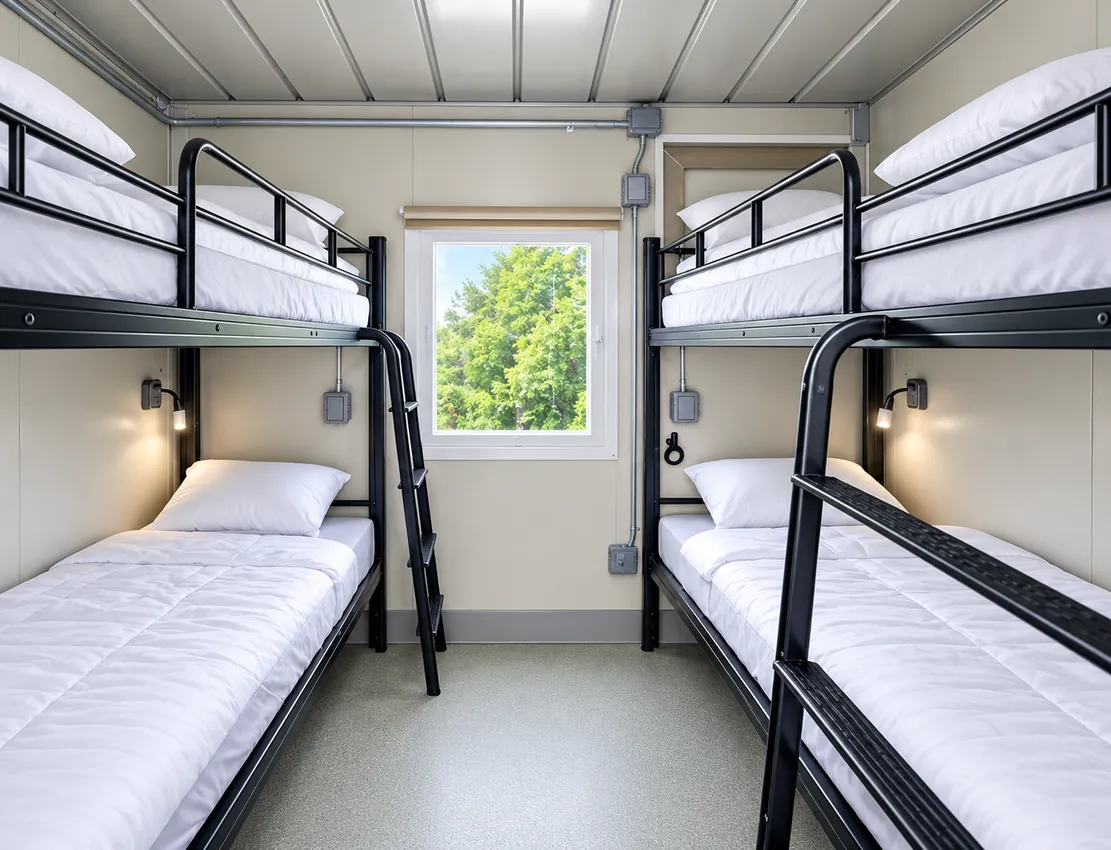
Bunk-style sleeping accommodation inside a temporary sleeper unit

Sleeper Trailers & Units

Explore temporary sleeping accommodation for crews working away from permanent housing. Unit layouts and capacity vary, so planning starts with your crew count, privacy needs, dates, and site conditions.

Explore facility ↗
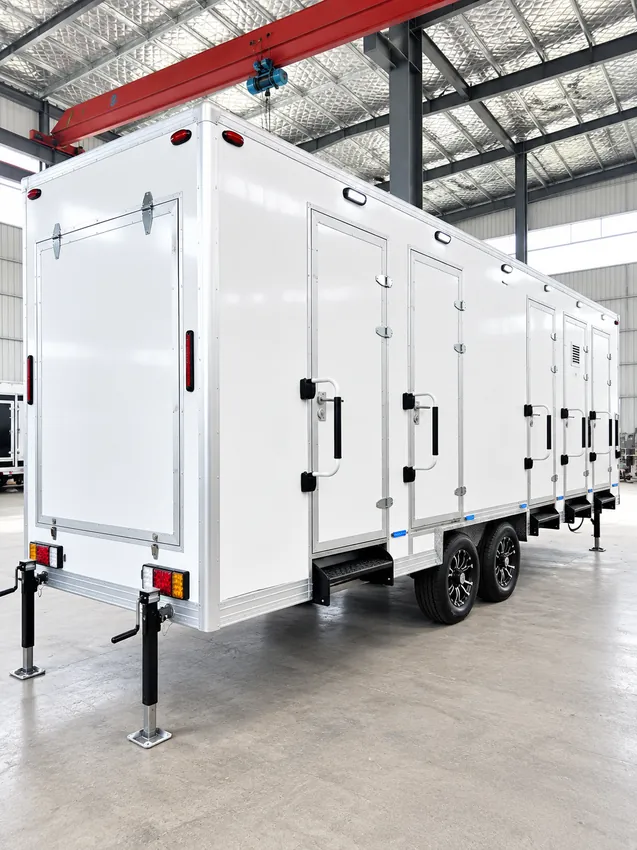
Temporary multi-stall shower trailer at a project site

Shower Trailers

Add temporary shower facilities to a workforce camp or remote project site. We review peak use, layout, water and wastewater connections, delivery access, and the project schedule before confirming a configuration.

Explore facility ↗
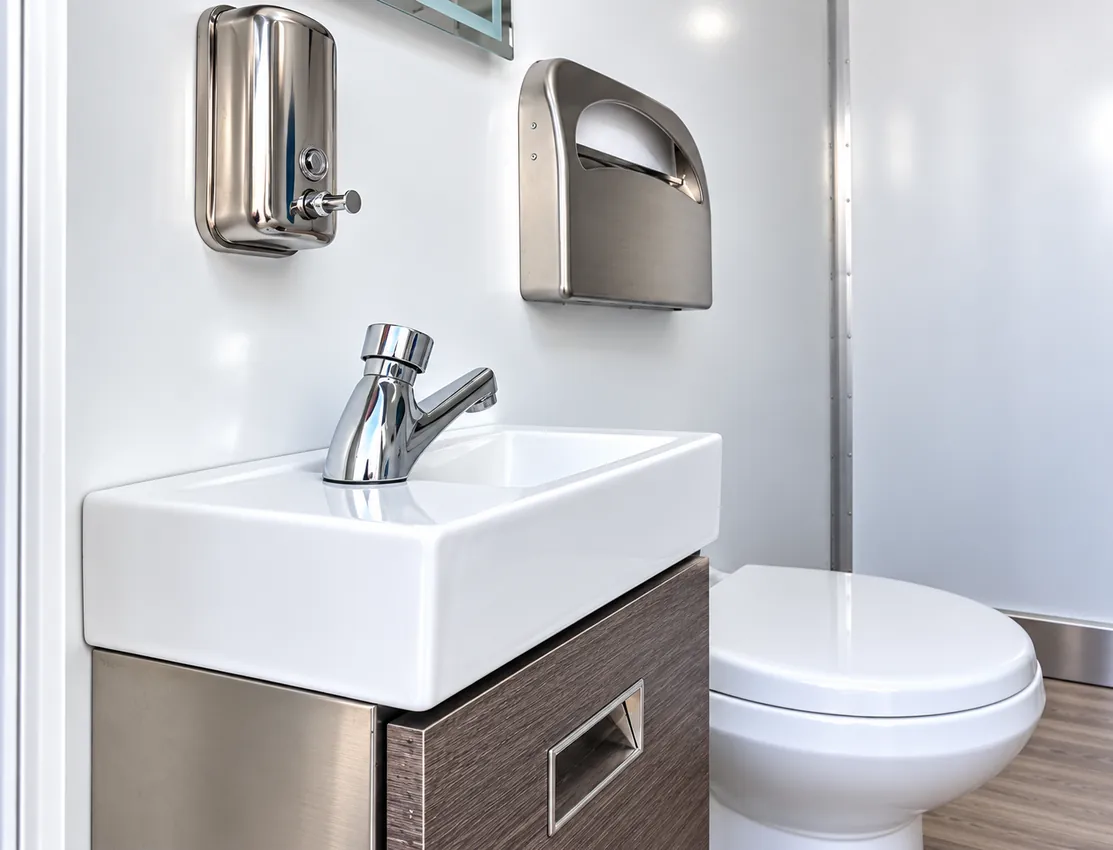
Sink and toilet inside a temporary restroom facility

Restroom & Bathroom Trailers

Plan temporary restroom and bathroom facilities for workforce housing, construction, and remote operations. Fixture mix, accessibility needs, site servicing, utilities, and availability are confirmed for each project.

Explore facility ↗
Temporary shower and restroom combination facility

Restroom & Shower Combination

Temporary combined restroom and shower facilities for projects that need both functions at one site.

Explore facility ↗
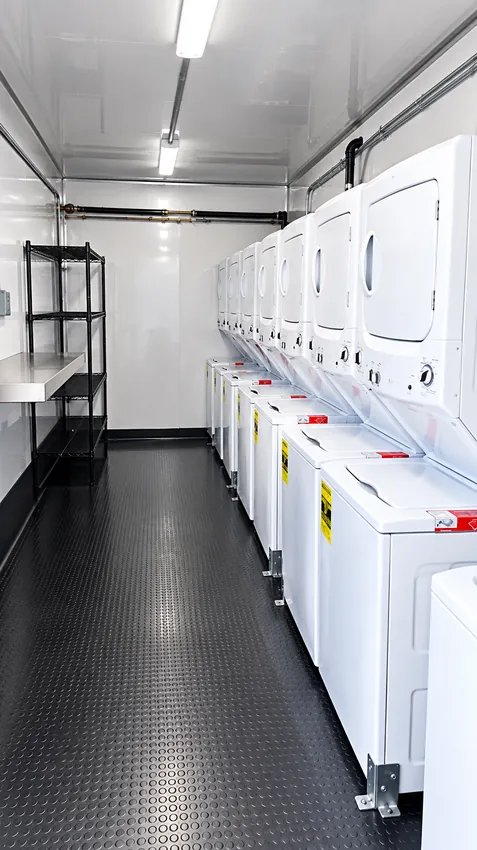
Commercial washer and dryer units inside a temporary laundry facility

Laundry Trailers

Support longer assignments with temporary laundry facilities planned around crew size, expected loads, utilities, servicing, and available space at the site.

Explore facility ↗

A railroad bypass prompted Centrahoma to relocate in 1907

When the Missouri, Kansas and Texas Railway built its Coalgate-to-Oklahoma City branch in 1903–04, it passed the earlier Owl site. Residents moved the town several miles northeast, where a station and freight house could serve it. That decision made rail access part of Centrahoma’s town plan. If crews ever reopen or repair a historic public area, a construction restroom trailer could serve the work zone after local officials identify a safe service approach.

Centrahoma’s station handled cattle, cotton, and coal freight

The town’s railway carried passenger service as well as freight trains loaded with cattle and cotton; coal from Lehigh and Coalgate also passed through. Those cargoes connected a small Coal County settlement to regional trade rather than making Centrahoma an isolated stop. The source describes traffic from the period, not a current rail operation. A modern remote work crew in the area could compare a contractor sleeper trailer with the site’s actual lodging options.

Plan the site

Start with your workforce and location.

Share the crew size, project term, rooming preferences, and service needs. We’ll review practical placement, access, utilities, and delivery considerations for the address.

Discuss your site ↗

A 1905 tornado destroyed Centrahoma’s school

The Oklahoma Historical Society records a tornado that destroyed Centrahoma’s school in 1905 and injured the teacher and seven children. The account does not provide an exact time, path, or damage survey, so the event is kept to those documented facts. A future school-community preparedness exercise could include a portable restroom trailer at a designated staging site if the district’s facilities plan calls for one.

Another tornado damaged buildings across Centrahoma four years later

In 1909, another tornado damaged the school and every building in town, according to the state history entry. Read beside the 1905 school loss, the two reports show repeated severe-weather exposure in the early settlement period without implying that the same buildings or hazards remain unchanged today. For a future public storm-safety meeting, a combined shower and restroom trailer could be considered at an outdoor staging venue where fixed facilities are unavailable.

Cotton, peanuts, pecans, and cattle supported Centrahoma’s early economy

By 1907, Centrahoma served an agricultural district producing cotton, peanuts, pecans, and cattle. The town’s business list included cotton gins, a gristmill, a stockyard, and shops serving farmers and ranchers. That combination made the railway useful for both goods and livestock. If a later agricultural show or livestock event uses a temporary outdoor site, a portable restroom trailer could be considered after the organizer confirms the site plan.

Centrahoma once had a school serving grades one through twelve

The town’s early civic footprint included four churches and a school for grades one through twelve, alongside banks, hotels, stores, and a livery stable. That full grade span matters in a rural district where the town served surrounding farms as well as its own residents. A future school reunion or community program could review a portable restroom trailer only if its chosen venue lacks enough permanent capacity.

Project planning questions

Centrahoma workforce facility FAQs.

Can you help plan a man camp near Centrahoma?

Send us the address, dates, and number of people staying. Tell us who will share sleeping space and which portable shower, bathroom, and laundry facilities you need. We'll discuss the available layouts with you.

Can I ask for a portable bathroom or shower on its own?

Tell us which facility you need and what is already available at the property. We can review a portable restroom trailer, mobile shower, or combined unit for the job.

How do I choose a portable sleeper layout?

Start with the rooming arrangements. A crew sharing bunk space has different needs from staff who need separate rooms. The model pages show photos and published details to help you compare.

What should I send before discussing delivery?

The address, preferred dates, crew size, and a description of the entrance and available space are useful. Include what you know about power, water, and wastewater connections so we can talk through placement.

Oil joined farming as a Centrahoma industry in the late 1930s

Oil was discovered near Centrahoma in the late 1930s and remained part of the town’s economy at the turn of the twenty-first century. The state history source does not identify a current active field, so this is a record of how local work diversified beyond farming. For a future exploration or maintenance job outside town, a remote man camp facilities could provide crew facilities if the project schedule and remote location justify it.

Rail and coal-mine closures deepened Centrahoma’s postwar population decline

Centrahoma lost residents during the Depression, then saw workers leave for defense plants during World War II. The railway ended service in the 1940s, and coal mines closed in the 1950s; the town’s population fell from 148 in 1960 to 106 in 1990. Those linked changes are recorded in the town’s history rather than treated as a single sudden collapse. A future volunteer renovation project could plan a construction restroom trailer around the actual work site.

EZE Trailer Rentals

Plan your Centrahoma site.

Tell us about the crew, timeline, and facilities you need for your Oklahoma project.