Bryan County · Oklahoma

Emergency Remote Man Camp & Sleeper Trailer Rentals In Armstrong.

Temporary man camp rentals are available in Armstrong for a visiting crew that needs to remain near a Bryan County property or repair site. Sleeper trailers can be paired with restrooms, shower trailers and laundry to cover overnight and daily needs together. We handle emergency deployment requests 24/7 when an unplanned assignment creates a short-term gap in worker accommodation.

Serving Armstrong, Oklahoma · 24/7 emergency deployment and ongoing support. Confirm your unit mix and delivery schedule with our team.
Sleeping & accommodation

Sleeper options for your Armstrong project.

Compare the published sleeper and accommodation models, then open a model page for its full details.
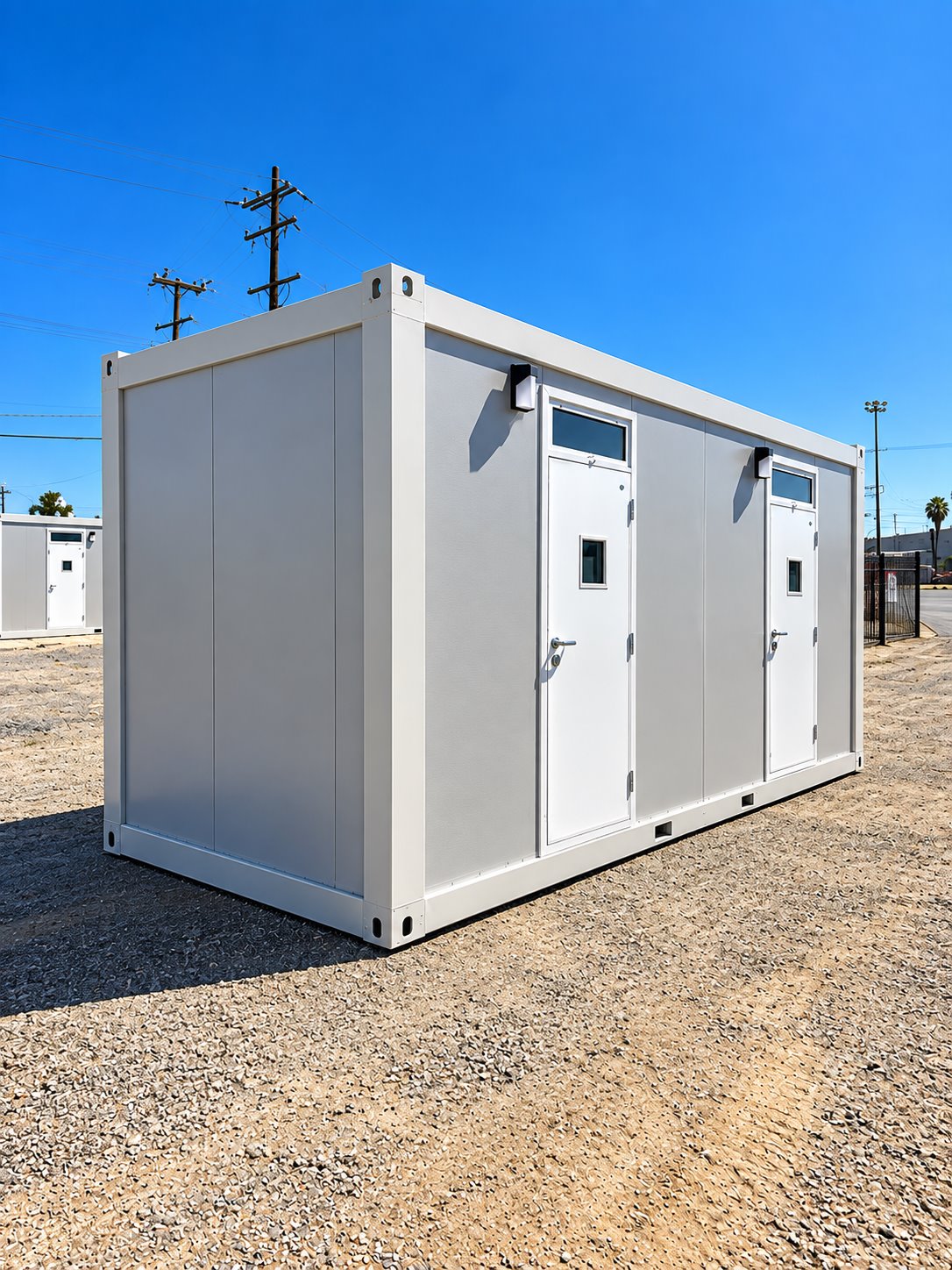
Exterior view of two-stall sleeper trailer
Sleeper accommodation

2-Stall Sleeper Trailer

Plan separate sleeping areas for a small crew or assigned staff. The 2-stall sleeper option can form part of a temporary camp without committing to a large shared sleeping hall.

View model details ↗
Exterior side view of 20ft contractor accommodation unit
Sleeper accommodation

20ft Contractor Sleeper Trailer

The 20ft Contractor Sleeper Trailer is described with individual sleeping areas, heating, air conditioning and storage for personal belongings or work equipment.

View model details ↗
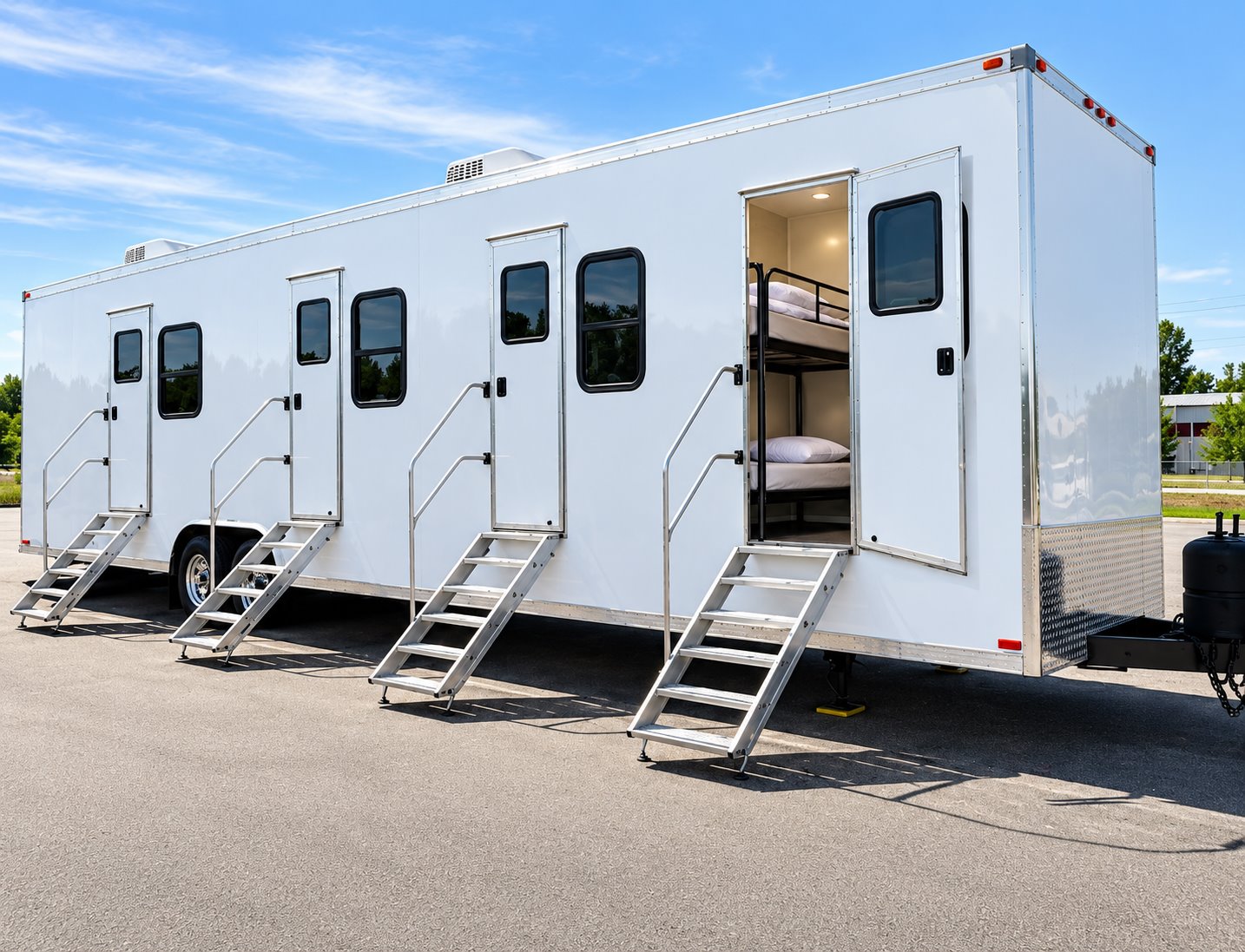
Exterior of 20ft VIP accommodation trailer
Sleeper accommodation

20ft VIP Sleeper Trailer

The 20ft VIP Sleeper Trailer is listed with a private sleeping area, bathroom, kitchenette and space for work or relaxation. Heating and air conditioning support the accommodation.

View model details ↗
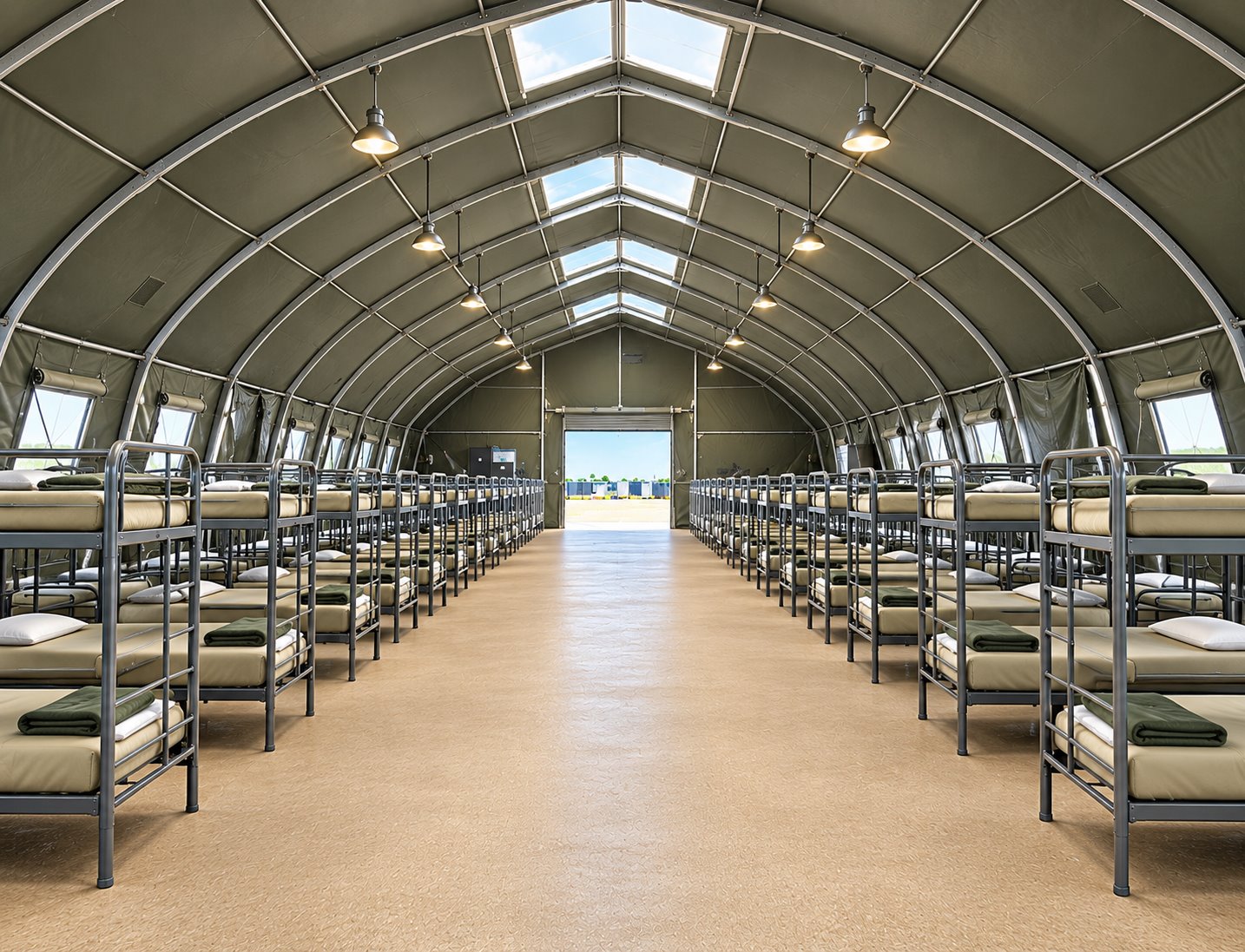
Shared bunkhouse interior with rows of sleeping bunks
Sleeper accommodation

Temporary Sleeping Facilities

Create a shared sleeping area for a larger temporary workforce. Bunkhouse-style sleeping facilities help organize crew accommodation alongside a separate kitchen, dining area, and hygiene facilities.

View model details ↗
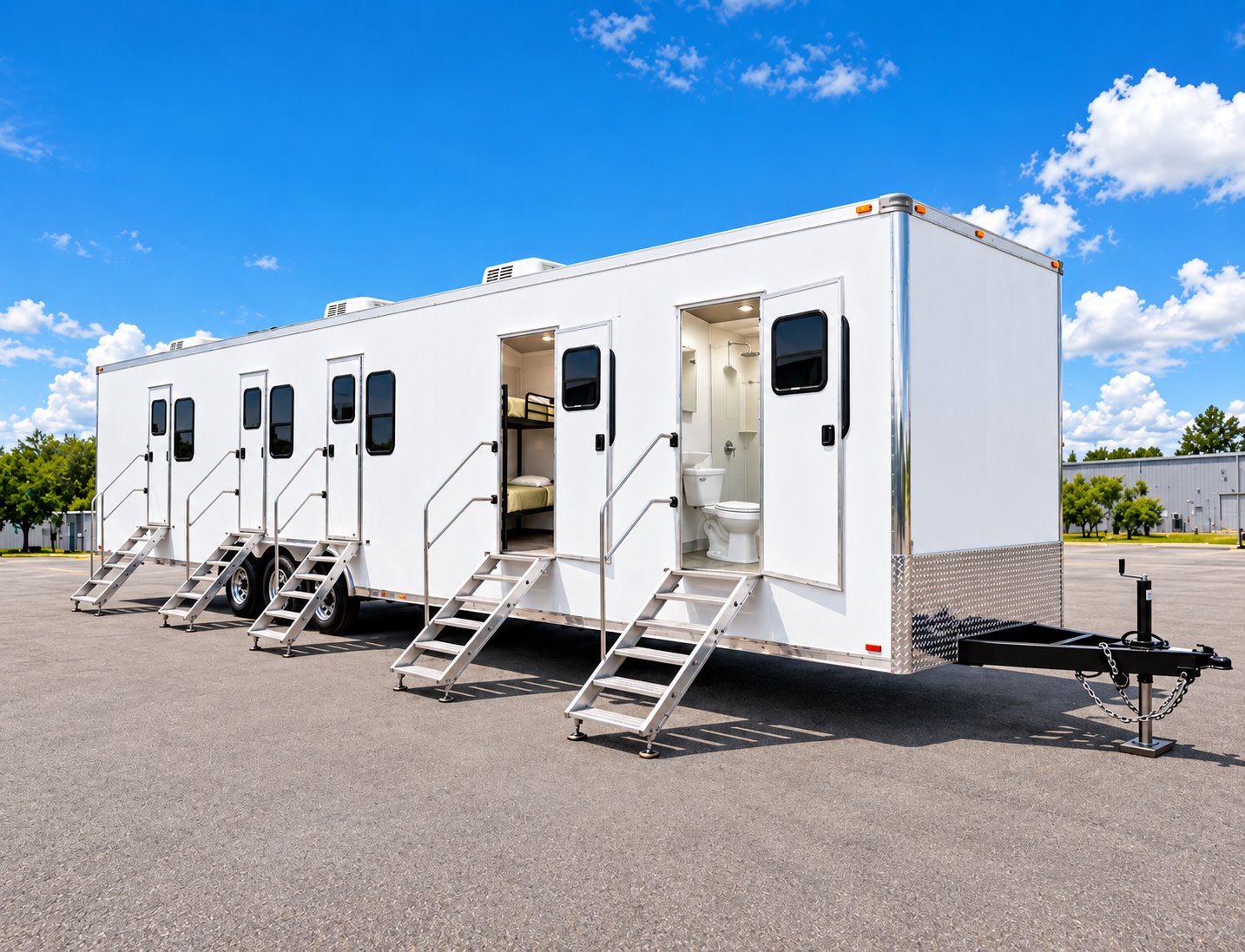
Combination office, sleeper, shower, and restroom trailer
Sleeper accommodation

Office, Sleeper, Shower & Restroom Trailer

Bring working, resting, and personal-care functions into one crew-support location. This combination trailer is an option for projects that need more than a stand-alone office or sleeping unit.

View model details ↗
Configuration at a glance

Compare sleeper specifications.

Published specifications are shown for each model. Confirm the assigned unit and site requirements when requesting availability.

Sleeper and accommodation configurations for Armstrong, Oklahoma
ModelPublished specifications
2-Stall Sleeper Trailer ↗
  • Model2-stall sleeper configuration
  • Sleeping arrangementConfirm room layout and beds for the selected unit
  • Project roleSmaller crew accommodation within a temporary site
  • PlacementDelivery method and final positioning coordinated for the site
20ft Contractor Sleeper Trailer ↗
  • Model class20ft contractor accommodation
  • Sleeping arrangementBunk-room configurations; confirm the selected layout
  • Project roleTemporary crew accommodation
  • Site coordinationDelivery access, placement, electrical supply, and camp facilities
20ft VIP Sleeper Trailer ↗
  • Model class20ft VIP accommodation
  • Planning focusRoom privacy, sleeping arrangement, and furnishings
  • Project roleTemporary accommodation near the assignment
  • Selected layoutRoom and bed arrangement confirmed with the quote
Temporary Sleeping Facilities ↗
  • Facility typeShared bunkhouse-style sleeping area
  • Interior arrangementRows of bunks with a central aisle
  • Layout planningBed arrangement, circulation, and personal storage
  • Camp coordinationDining, showers, restrooms, laundry, and site utilities
Office, Sleeper, Shower & Restroom Trailer ↗
  • Equipment typeCombination crew-support trailer
  • Main functionsOffice, sleeping, shower, and restroom
  • Layout reviewWork areas, beds, shared spaces, and storage
  • Site connectionsConfirm electrical, water, and wastewater arrangements

Configuration and availability depend on the selected unit and project requirements.

A state hatchery built on the Blue River

The Oklahoma game warden’s office developed a fish hatchery at Armstrong in 1916–17. Its successor is the Durant State Fish Hatchery, whose Caddo Highway mailing address can obscure that the facility stands by Armstrong. The original investment made the Blue River part of a statewide fish-production network, rather than only a local fishing stream.

An active hatchery has water systems and work areas that must keep operating during improvements. For a major future maintenance phase, a contractor shower-restroom trailer might give contractors a separate place to wash without taking over staff facilities or interrupting fish handling. Any arrangement would require the agency’s permission and a carefully controlled waste plan.

A storm-damaged hatchery office came down

A storm damaged the roof of a two-story office built in 1973 at the Durant State Fish Hatchery by Armstrong. While planning a repair, the Oklahoma Department of Wildlife Conservation found asbestos. Its final performance report says the upstairs offices had long been vacant and another hatchery renovation made the ground-floor fish-holding kettles unnecessary. The department completed removal of the old building, including asbestos abatement, demolition debris and reshaping the site.

Demolition and abatement put crews outside the building that once held the site’s facilities. For a comparable hatchery job, a demolition-crew restroom trailer could be set beyond the controlled demolition zone so workers have a place to go without crossing the work face. That is a construction-planning example; the department’s report does not identify a trailer supplier.

Facility options

Support your Armstrong crew.

Plan sleeping accommodation together with the site services that make a longer assignment workable.
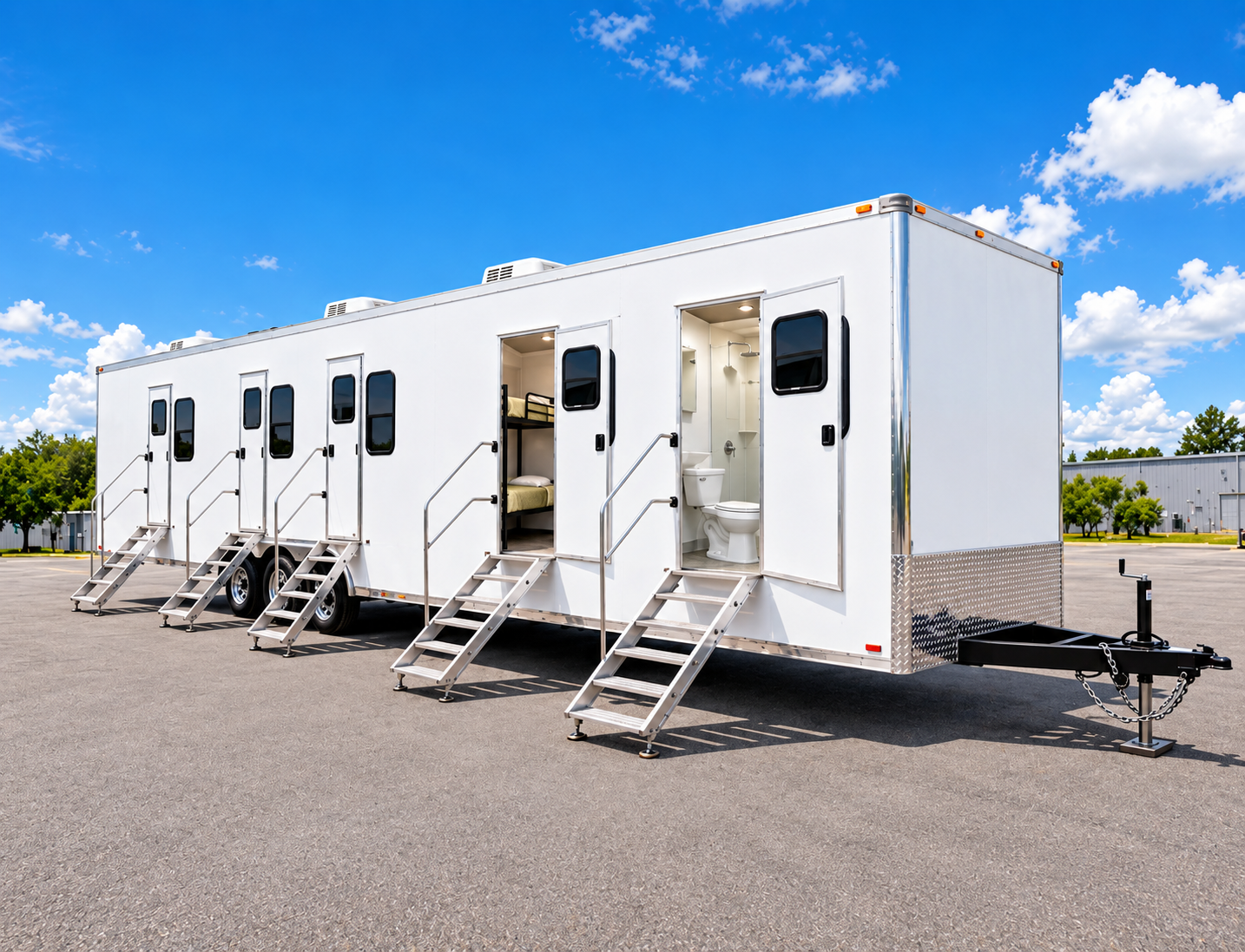
Temporary workforce facility with sleeper rooms, restroom, and shower access

Man Camp Facilities

Plan temporary workforce accommodation around your site, crew size, project timeline, and daily needs. EZE Trailer Rentals coordinates sleeper units with supporting shower, restroom, and laundry facilities as one site plan.

Explore facility ↗
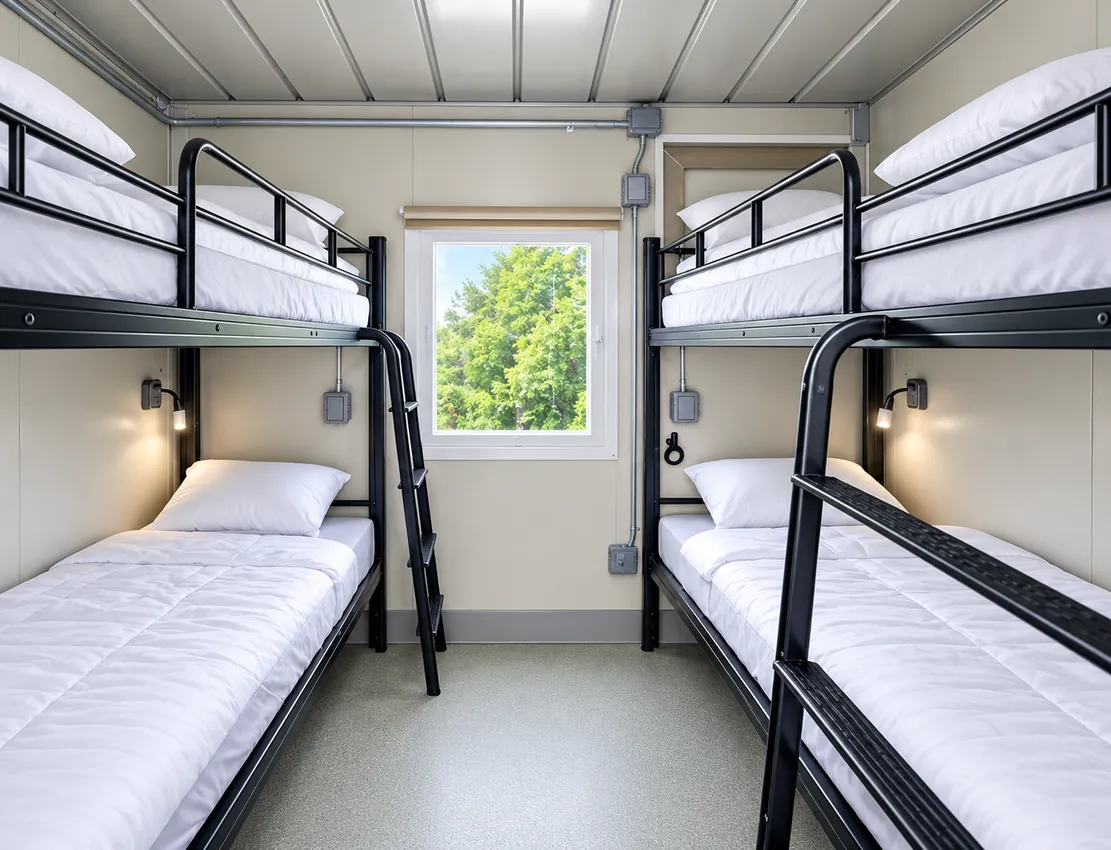
Bunk-style sleeping accommodation inside a temporary sleeper unit

Sleeper Trailers & Units

Explore temporary sleeping accommodation for crews working away from permanent housing. Unit layouts and capacity vary, so planning starts with your crew count, privacy needs, dates, and site conditions.

Explore facility ↗
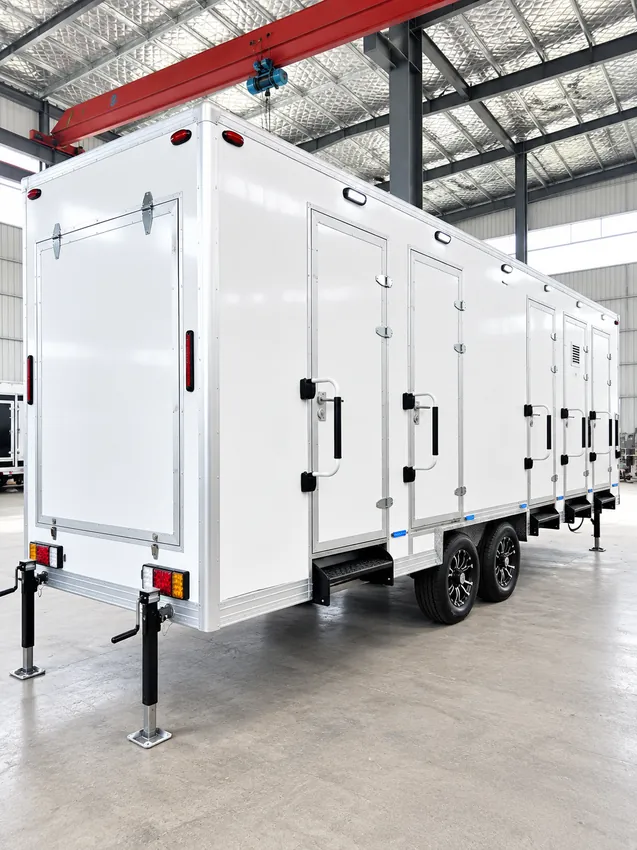
Temporary multi-stall shower trailer at a project site

Shower Trailers

Add temporary shower facilities to a workforce camp or remote project site. We review peak use, layout, water and wastewater connections, delivery access, and the project schedule before confirming a configuration.

Explore facility ↗
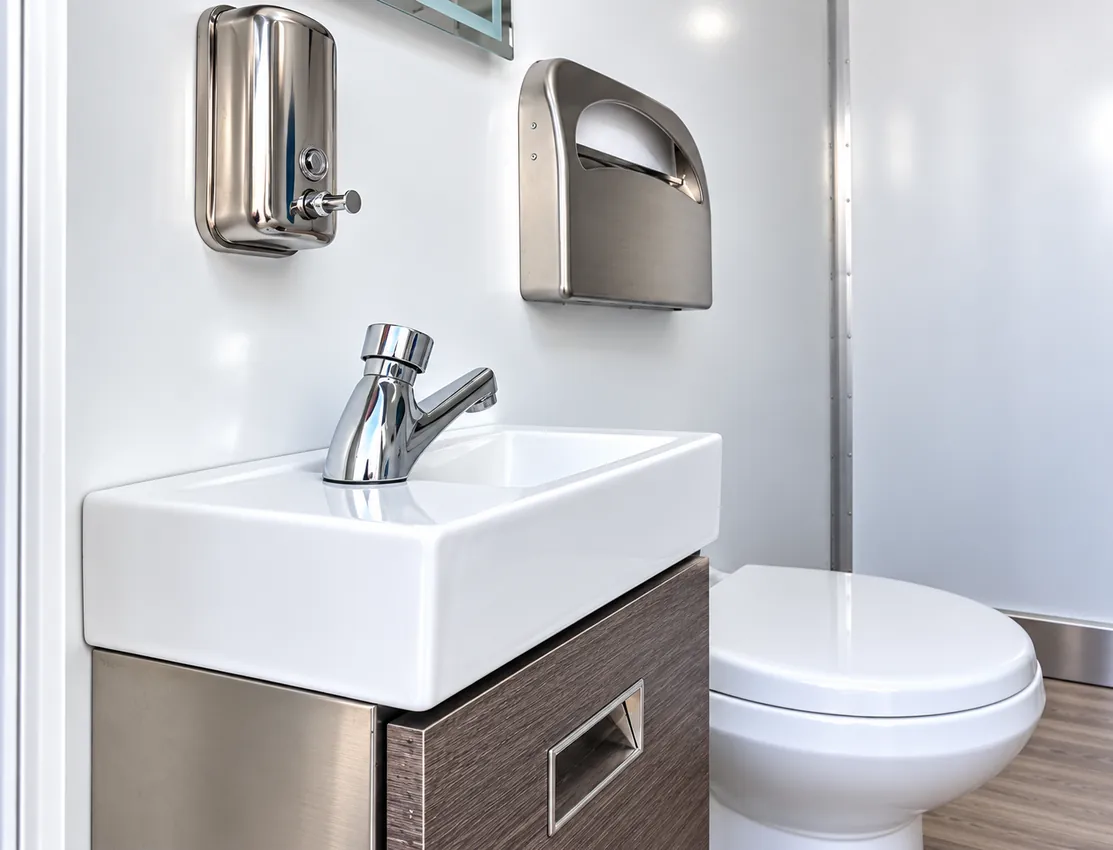
Sink and toilet inside a temporary restroom facility

Restroom & Bathroom Trailers

Plan temporary restroom and bathroom facilities for workforce housing, construction, and remote operations. Fixture mix, accessibility needs, site servicing, utilities, and availability are confirmed for each project.

Explore facility ↗
Temporary shower and restroom combination facility

Restroom & Shower Combination

Temporary combined restroom and shower facilities for projects that need both functions at one site.

Explore facility ↗
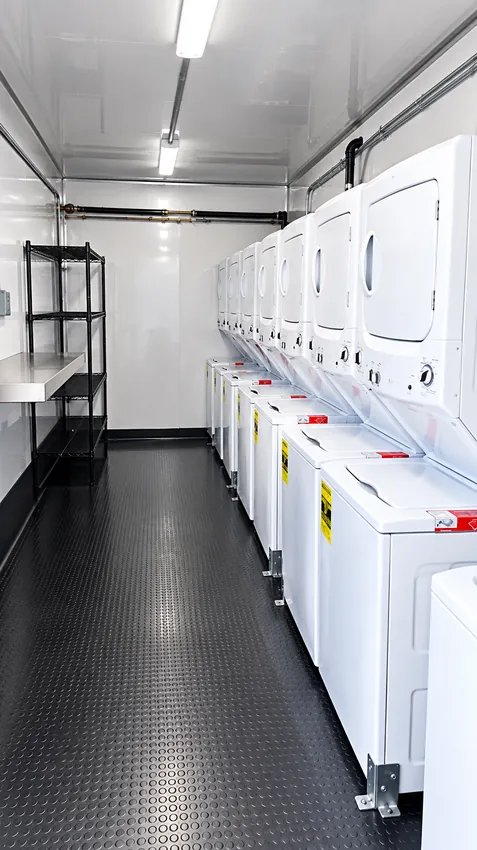
Commercial washer and dryer units inside a temporary laundry facility

Laundry Trailers

Support longer assignments with temporary laundry facilities planned around crew size, expected loads, utilities, servicing, and available space at the site.

Explore facility ↗

Five thousand feet of hatchery fence on the work list

An Oklahoma Wildlife Conservation Commission director’s report in January 2024 said staff had completed compliance paperwork to replace more than 5,000 feet of fence at the Durant State Fish Hatchery. The report marks a real administrative step toward a sizeable perimeter job; it does not say the fence was already installed.

A fence crew has to work around ponds, gates and the equipment that keeps fish production running. A fence-crew restroom trailer could be kept at a single approved access point through the job rather than moved along the fence line.

Final routing would be a hatchery operation decision, especially where vehicle movements cross active staff areas.

A cracked office foundation prompts a repair bid

The Wildlife Department invited bids in March 2025 to measure and level the main office foundation at the Durant State Fish Hatchery. Its solicitation said the foundation had settled and cracked and asked bidders to propose piers or foam, with the response due April 10. A bid invitation establishes the defect and proposed repair, but not that a contractor finished it.

While a foundation is being lifted, staff may need to avoid part of the office. If normal bathrooms become inaccessible in a future repair phase, a temporary office-repair restroom can be considered outside the building footprint, with a placement that protects the operating hatchery’s access. That is a facilities question for the actual repair plan, not an inference from the bid alone.

Plan the site

Start with your workforce and location.

Share the crew size, project term, rooming preferences, and service needs. We’ll review practical placement, access, utilities, and delivery considerations for the address.

Discuss your site ↗

The old highway bridge receives a replacement plan

A roughly $3 million PACT-funded bridge was being built on the old highway toward Armstrong in May 2026, Bryan County commissioners told KXII. A bridge-work restroom trailer for the bridge crew would have to remain reachable during detours, without putting service vehicles into the traffic lane or the Blue River work area.

The county report also discussed a separate bridge on South Chickasaw Road. Keeping those projects distinct matters here: the old-highway crossing is the one tied to Armstrong. The report describes the construction program but makes no claim about the contractor’s temporary facilities.

When the Blue River reached Durant’s pumps at Armstrong

The Blue River flooded the water-treatment plant at Armstrong in October 1981, submerging the pumps and motors that supplied Durant. Contemporary reporting archived by the U.S. Geological Survey described a declared emergency in Durant and crews working to clean and dry the motors. Another archived report said U.S. 69 north of Durant was reduced to one lane by bridge damage near Armstrong. These were linked effects of one flood, not two unrelated incidents.

A modern water-plant recovery would need crews, safe power and a separate sanitary plan while the system is impaired. A temporary shower and restroom trailer could be evaluated for workers only after the water source, discharge and flood-safe access were established.

The historical accounts do not suggest that a rental trailer was part of the 1981 response.

A new shop enters the hatchery work plan

In its September 2025 report to the Wildlife Conservation Commission, department staff said they had reviewed and assembled compliance documents for a new shop building at the Durant State Fish Hatchery by Armstrong. That is a planning milestone for a working facility, not proof that the shop was built or that a construction contract had been awarded.

A shop build has to share access with fish-production traffic, deliveries and existing staff. If construction proceeds, a shop-construction restroom trailer for the building trades could sit near their staging area rather than send them through hatchery operations. The placement would be part of the eventual site plan, which the commission report does not provide.

A five-mile tornado ended northeast of town

On March 21, 1991, a tornado began about a mile northwest of Durant and tracked to a point a mile northeast of Armstrong. The National Weather Service lists the five-mile path as F2 with no recorded injuries or fatalities. It is a separate storm from the brief Armstrong tornado four years earlier. A track crossing the space between a city and a small town can scatter assessment sites. If utility or debris teams are stationed for several days after a comparable event, temporary sleeper trailer accommodations could be considered only after the crew’s shift pattern and local lodging are known. The historical storm record does not document any such deployment.

Project planning questions

Armstrong workforce facility FAQs.

Which Armstrong does this page cover?

This page covers the incorporated town of Armstrong in Bryan County, north of Durant. Give us the actual delivery address so we can check routing and site access.

Can I request facilities for a short field assignment?

Yes. Send the dates, headcount, work area and available power, water and waste arrangements. We can review a restroom or shower option without assuming overnight lodging is needed.

What should I tell you about a Blue River site?

Share the property entrance, ground conditions, flood or drainage constraints and any restricted access areas. Placement and servicing must be planned for the specific site.

Homes and barns along a 2020 tornado path

An EF1 tornado touched down west-northwest of Armstrong on April 22, 2020, then moved east for about five miles. The National Weather Service survey reported damage to homes, barns and trees along the path and listed a maximum width of 500 yards. No injuries or deaths were recorded in its Bryan County chronology.

After a storm affects both houses and agricultural buildings, repair crews often work from different access roads. A debris-crew handwashing station at a shared staging point could help workers clean up after debris handling, provided clean water and wastewater collection are arranged.

The survey gives a real local damage pattern without identifying an EZE customer or unit.

A tornado-damaged hatchery home went to contract

The Oklahoma Department of Wildlife Conservation issued a December 2020 purchase order for demolition at the Durant State Fish Hatchery housing area by Armstrong. The listed work covered a 1,750-square-foot residence, two sheds and 500 feet of chain-link fence. The order attributed the damage to an April 2020 tornado and listed a $7,475 contract amount. It establishes an awarded job, though it is not a completion certificate.

Unlike the old office removed in a separate hatchery project, this work concerned a residential part of the property. Demolition crews would need a sanitary stop beyond the structures and debris route. A demolition-site restroom trailer could serve such a temporary work area without using the damaged home’s plumbing, once the agency approved placement and waste service.

EZE Trailer Rentals

Plan your Armstrong site.

Tell us about the crew, timeline, and facilities you need for your Oklahoma project.