McCurtain County · Oklahoma

Emergency Remote Man Camp & Sleeper Trailer Rentals In Haworth.

Sleeper trailers are available in Haworth as part of a man camp rental plan for visiting road crews and other McCurtain County workers. A job with several work fronts may need accommodation separate from construction traffic, plus supporting restroom, shower and laundry facilities for the stay. If an unexpected road repair needs overnight workers, our team coordinates emergency deployment 24/7.

Serving Haworth, Oklahoma · 24/7 emergency deployment and ongoing support. Confirm your unit mix and delivery schedule with our team.
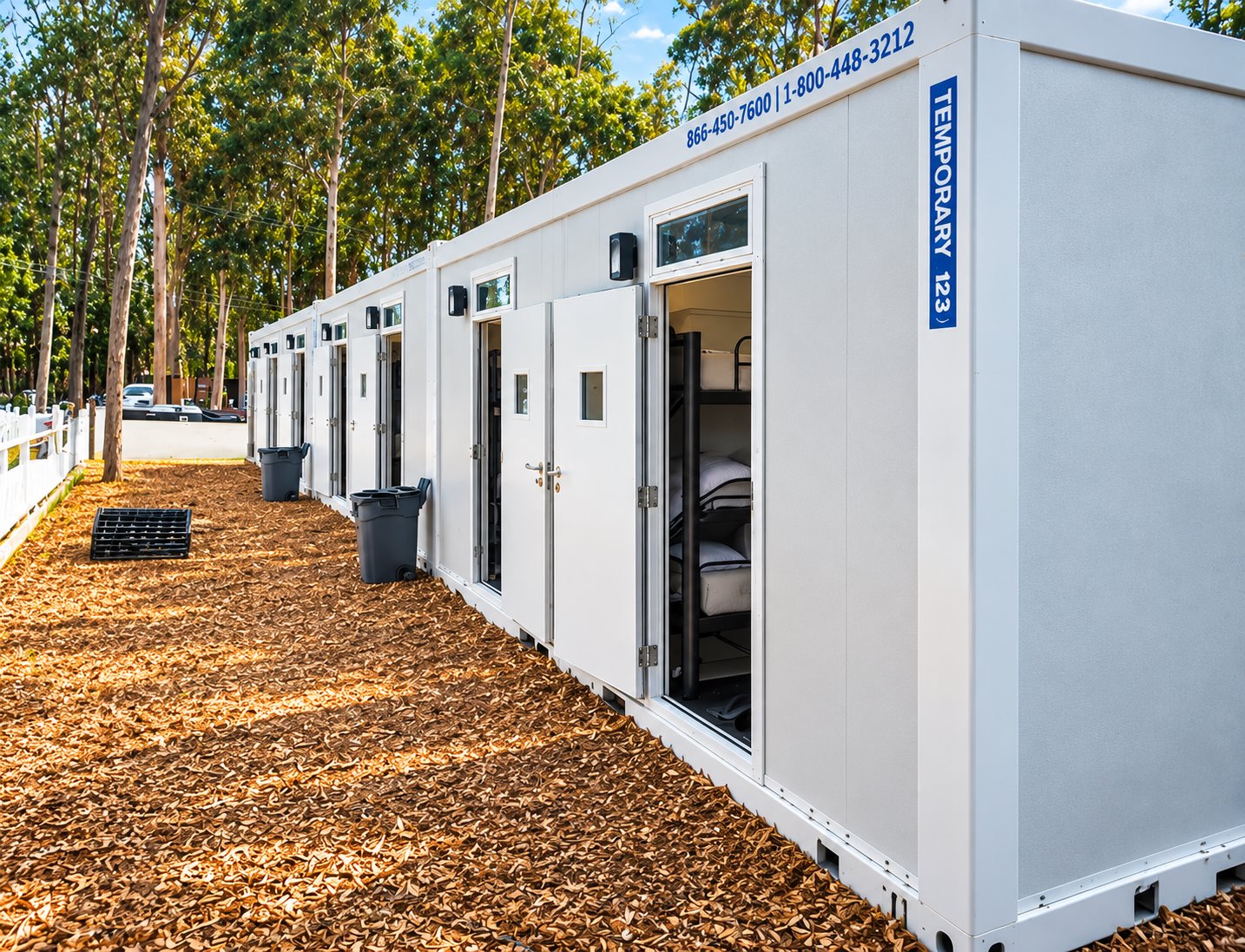
Sleeping & accommodation

Sleeper options for your Haworth project.

Compare the published sleeper and accommodation models, then open a model page for its full details.
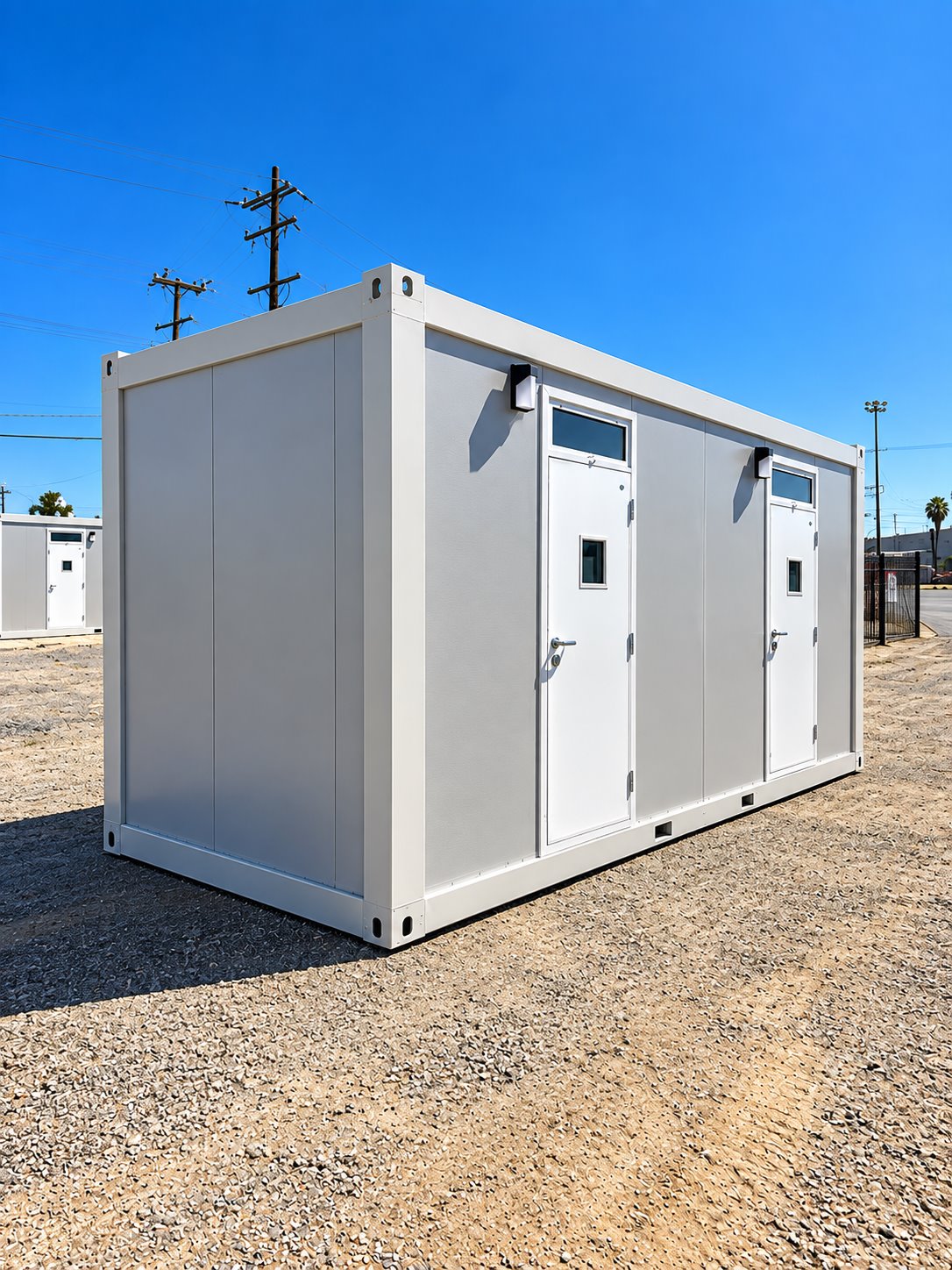
Exterior view of two-stall sleeper trailer
Sleeper accommodation

2-Stall Sleeper Trailer

Plan separate sleeping areas for a small crew or assigned staff. The 2-stall sleeper option can form part of a temporary camp without committing to a large shared sleeping hall.

View model details ↗
Exterior side view of 20ft contractor accommodation unit
Sleeper accommodation

20ft Contractor Sleeper Trailer

The 20ft Contractor Sleeper Trailer is described with individual sleeping areas, heating, air conditioning and storage for personal belongings or work equipment.

View model details ↗
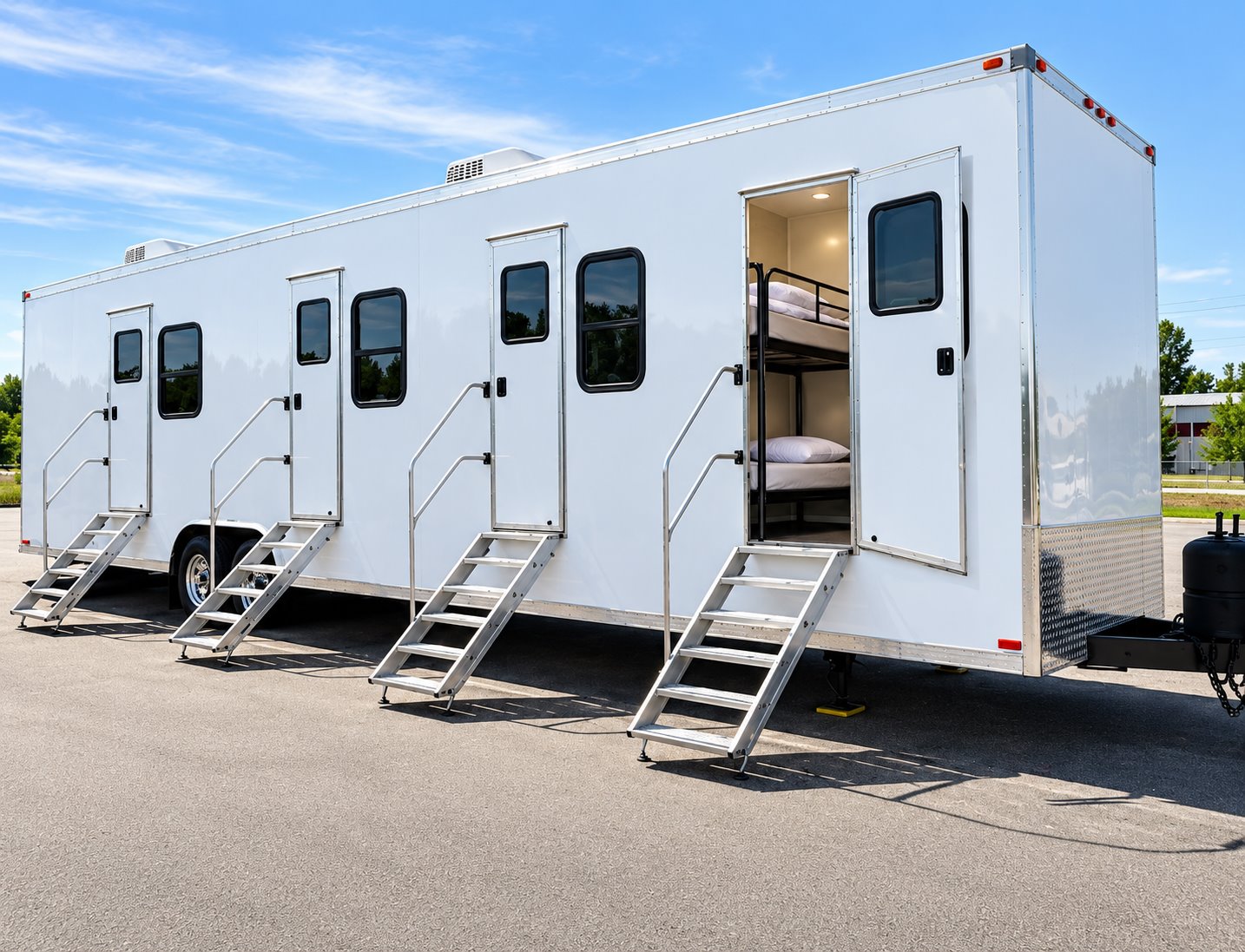
Exterior of 20ft VIP accommodation trailer
Sleeper accommodation

20ft VIP Sleeper Trailer

The 20ft VIP Sleeper Trailer is listed with a private sleeping area, bathroom, kitchenette and space for work or relaxation. Heating and air conditioning support the accommodation.

View model details ↗
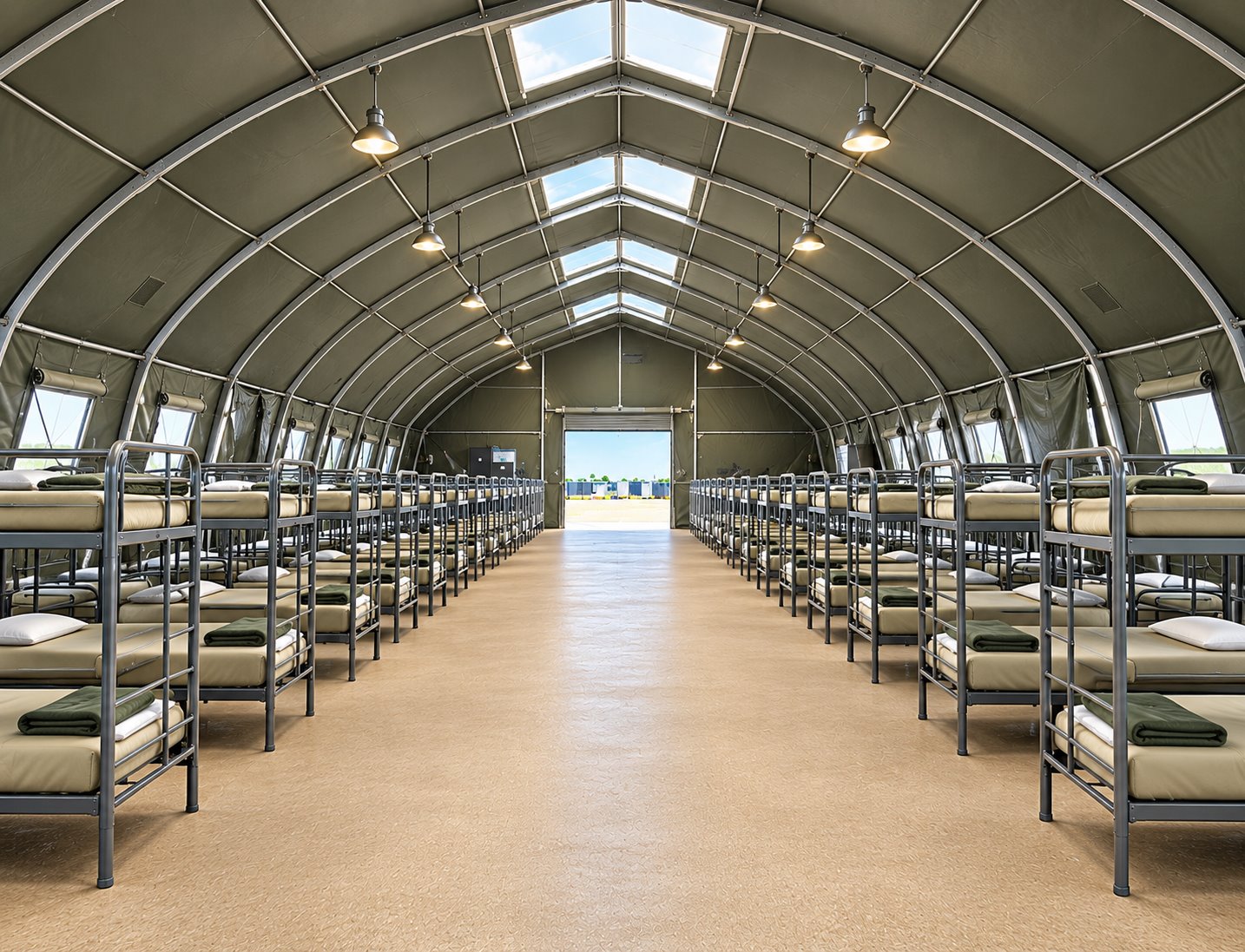
Shared bunkhouse interior with rows of sleeping bunks
Sleeper accommodation

Temporary Sleeping Facilities

Create a shared sleeping area for a larger temporary workforce. Bunkhouse-style sleeping facilities help organize crew accommodation alongside a separate kitchen, dining area, and hygiene facilities.

View model details ↗
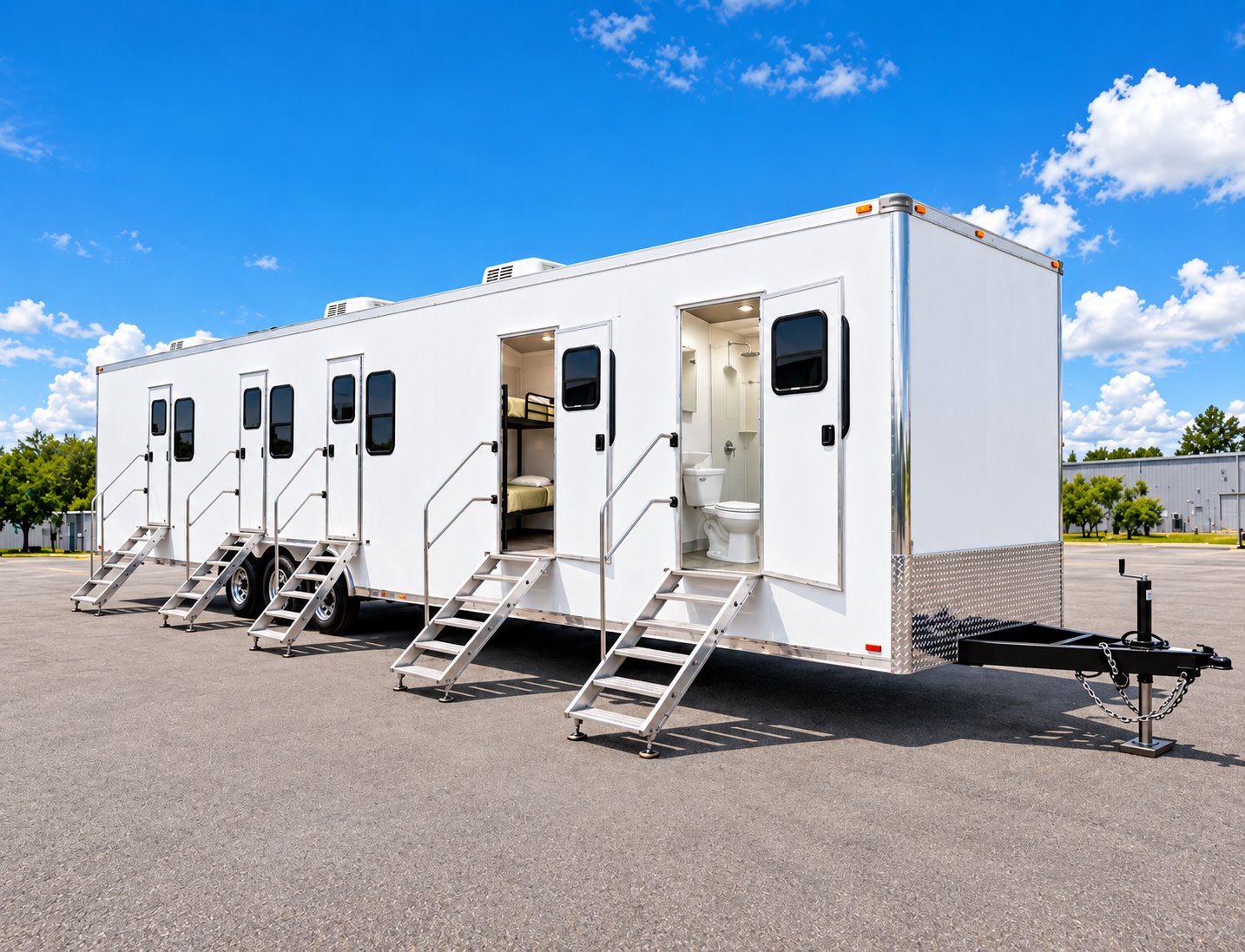
Combination office, sleeper, shower, and restroom trailer
Sleeper accommodation

Office, Sleeper, Shower & Restroom Trailer

Bring working, resting, and personal-care functions into one crew-support location. This combination trailer is an option for projects that need more than a stand-alone office or sleeping unit.

View model details ↗
Configuration at a glance

Compare sleeper specifications.

Published specifications are shown for each model. Confirm the assigned unit and site requirements when requesting availability.

Sleeper and accommodation configurations for Haworth, Oklahoma
ModelPublished specifications
2-Stall Sleeper Trailer ↗
  • Model2-stall sleeper configuration
  • Sleeping arrangementConfirm room layout and beds for the selected unit
  • Project roleSmaller crew accommodation within a temporary site
  • PlacementDelivery method and final positioning coordinated for the site
20ft Contractor Sleeper Trailer ↗
  • Model class20ft contractor accommodation
  • Sleeping arrangementBunk-room configurations; confirm the selected layout
  • Project roleTemporary crew accommodation
  • Site coordinationDelivery access, placement, electrical supply, and camp facilities
20ft VIP Sleeper Trailer ↗
  • Model class20ft VIP accommodation
  • Planning focusRoom privacy, sleeping arrangement, and furnishings
  • Project roleTemporary accommodation near the assignment
  • Selected layoutRoom and bed arrangement confirmed with the quote
Temporary Sleeping Facilities ↗
  • Facility typeShared bunkhouse-style sleeping area
  • Interior arrangementRows of bunks with a central aisle
  • Layout planningBed arrangement, circulation, and personal storage
  • Camp coordinationDining, showers, restrooms, laundry, and site utilities
Office, Sleeper, Shower & Restroom Trailer ↗
  • Equipment typeCombination crew-support trailer
  • Main functionsOffice, sleeping, shower, and restroom
  • Layout reviewWork areas, beds, shared spaces, and storage
  • Site connectionsConfirm electrical, water, and wastewater arrangements

Configuration and availability depend on the selected unit and project requirements.

Good Water Road project reached a bid milestone in 2025

A McCurtain Rural Water District No. 1 notice published in February 2025 sought bids for HDPE water-main work by boring and trenching associated with Good Water Road in Haworth. The record describes a procurement, not proof that construction started or finished. For a future authorized crew working on the line, a contractor sleeper trailer could provide nearby lodging.

The available listing says the district reserved the right to reject bids and does not identify an awardee or completion date. That distinction matters: Haworth has a documented 2025 infrastructure bid, while the final project status needs a later public record.

Haworth began as a railroad town called Harrington

The Choctaw Townsite Commission surveyed and platted the future Haworth as Harrington while the Arkansas and Choctaw Railroad was being built through what became McCurtain County. The site lay within the Choctaw Nation. A future heritage walk could use a portable restroom trailer at an approved gathering point, keeping modern visitor planning separate from the town’s railroad-era history.

The railroad corridor shaped where the town took root, while a nearby trading settlement called Norwood was bypassed. OHS cautions that neither Harrington nor Haworth was itself known as Norwood, correcting a version of the story that has circulated locally.

Facility options

Support your Haworth crew.

Plan sleeping accommodation together with the site services that make a longer assignment workable.
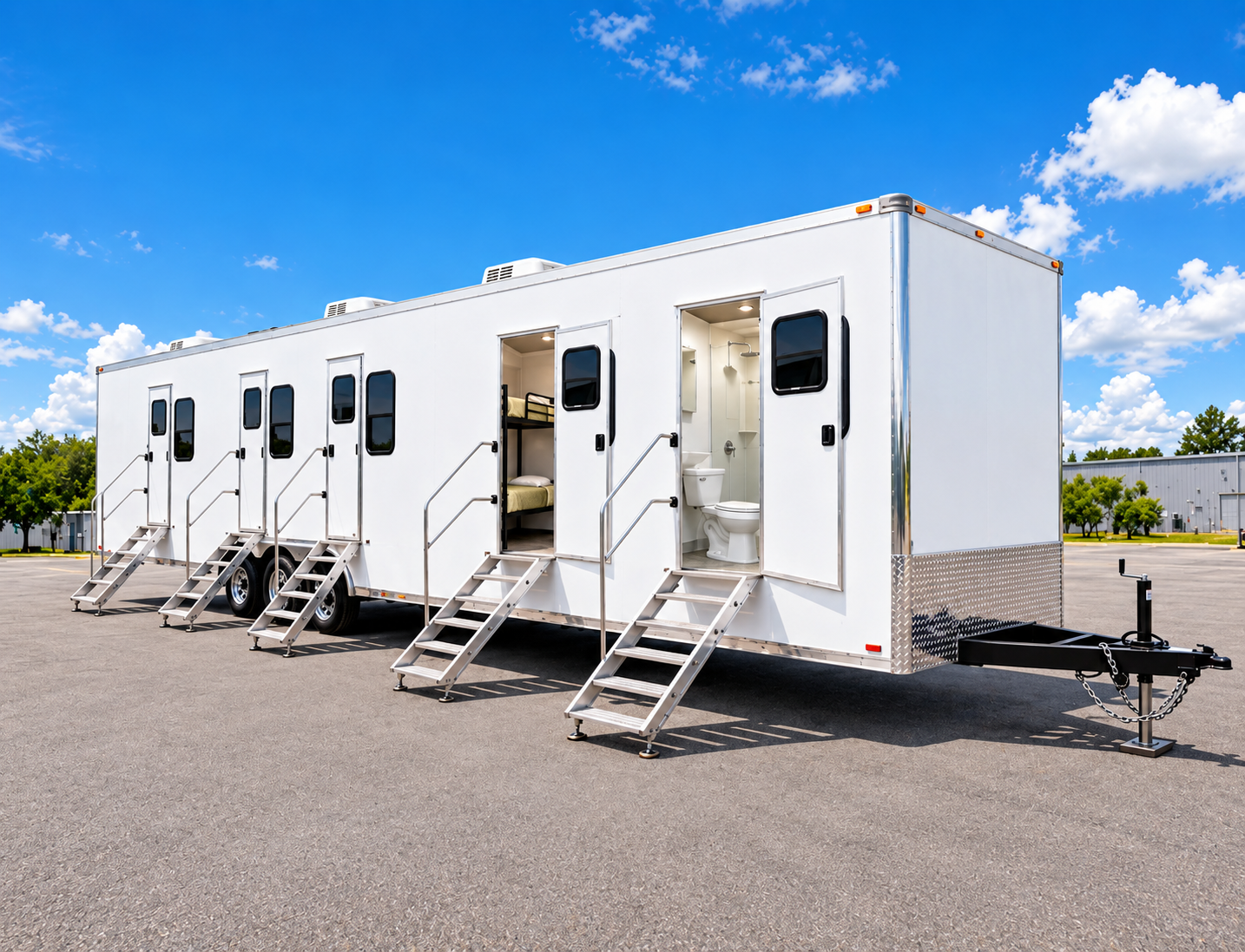
Temporary workforce facility with sleeper rooms, restroom, and shower access

Man Camp Facilities

Plan temporary workforce accommodation around your site, crew size, project timeline, and daily needs. EZE Trailer Rentals coordinates sleeper units with supporting shower, restroom, and laundry facilities as one site plan.

Explore facility ↗
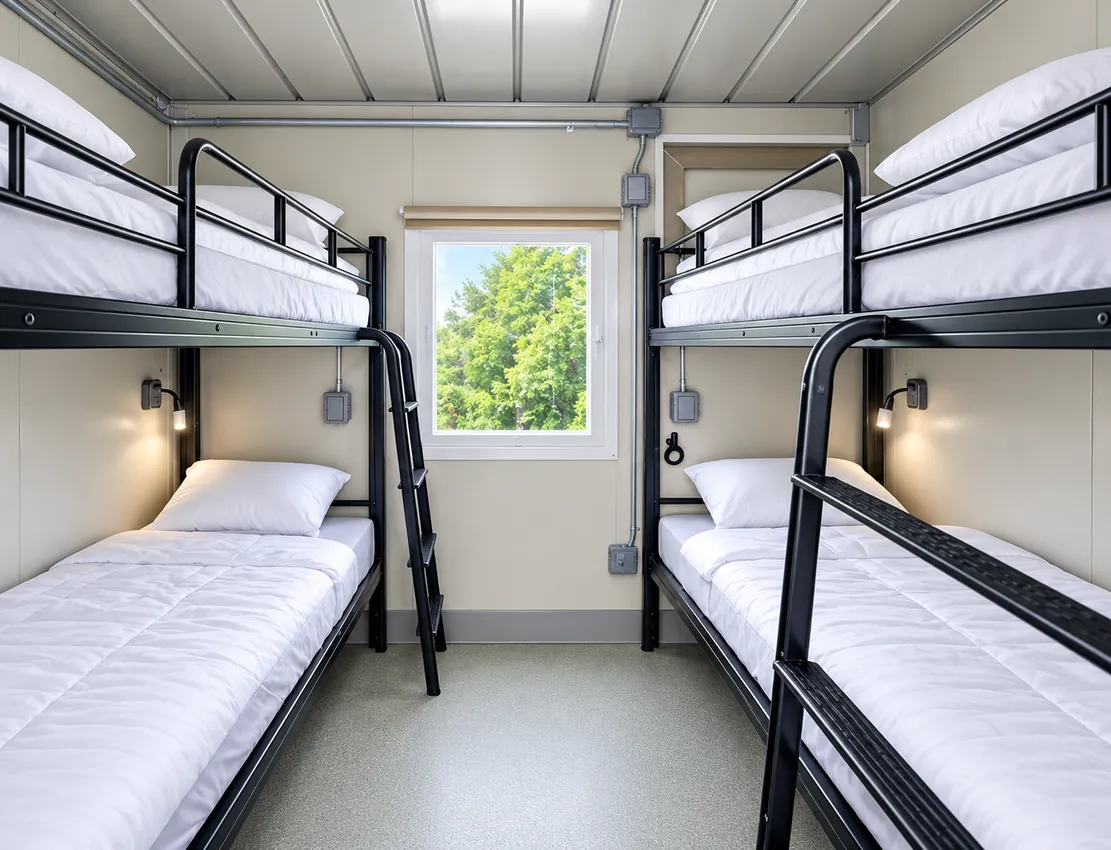
Bunk-style sleeping accommodation inside a temporary sleeper unit

Sleeper Trailers & Units

Explore temporary sleeping accommodation for crews working away from permanent housing. Unit layouts and capacity vary, so planning starts with your crew count, privacy needs, dates, and site conditions.

Explore facility ↗
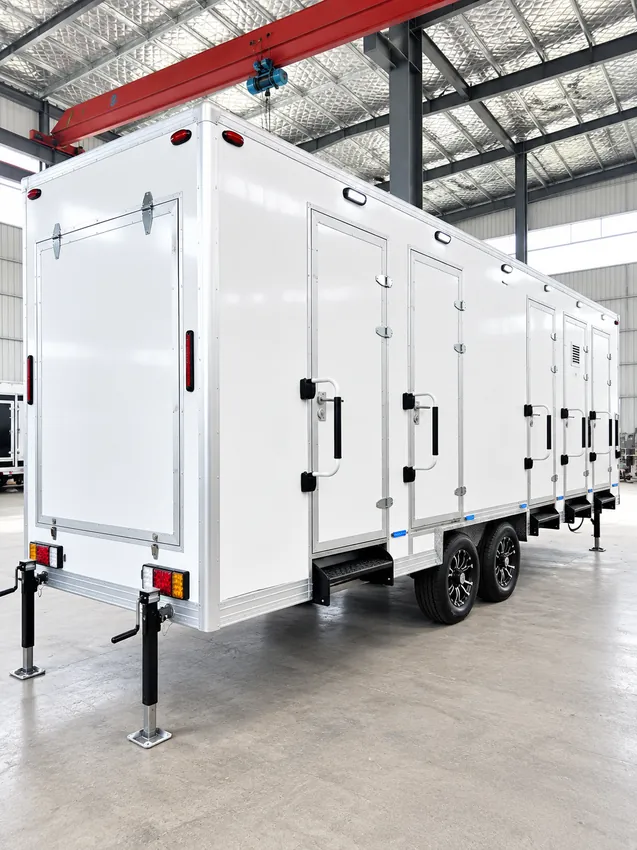
Temporary multi-stall shower trailer at a project site

Shower Trailers

Add temporary shower facilities to a workforce camp or remote project site. We review peak use, layout, water and wastewater connections, delivery access, and the project schedule before confirming a configuration.

Explore facility ↗
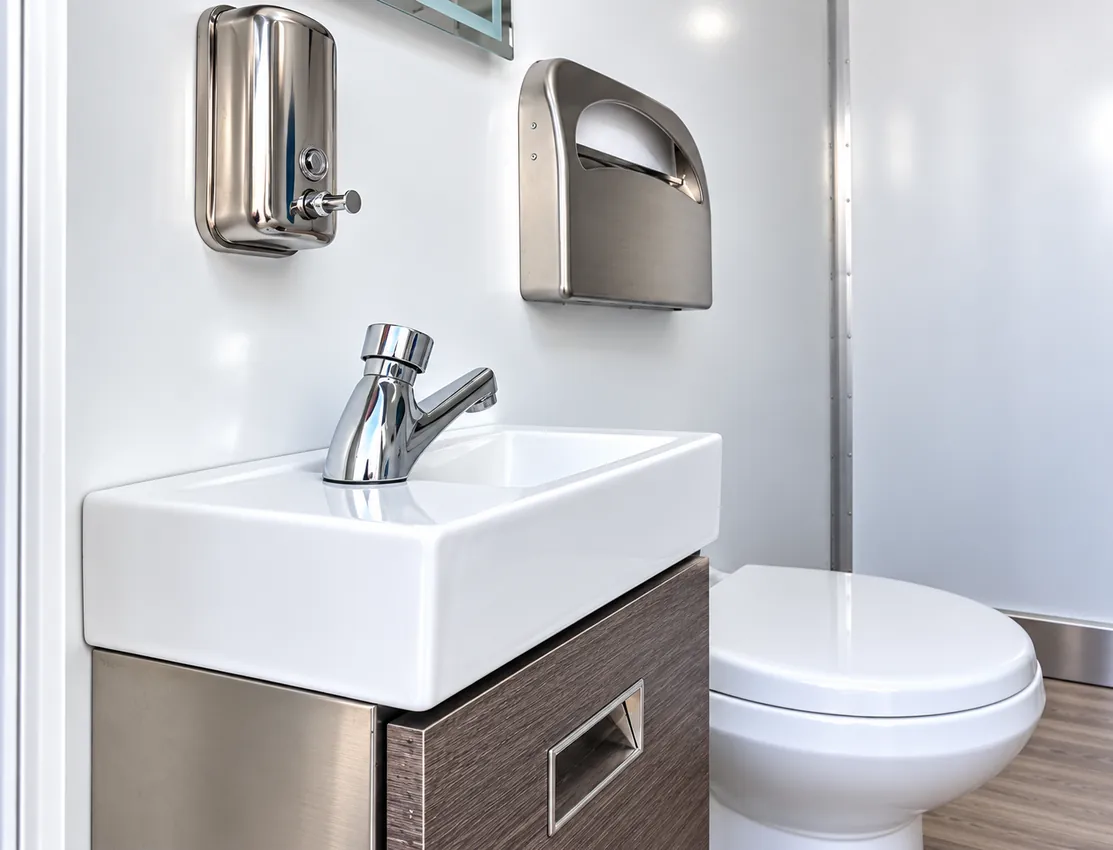
Sink and toilet inside a temporary restroom facility

Restroom & Bathroom Trailers

Plan temporary restroom and bathroom facilities for workforce housing, construction, and remote operations. Fixture mix, accessibility needs, site servicing, utilities, and availability are confirmed for each project.

Explore facility ↗
Temporary shower and restroom combination facility

Restroom & Shower Combination

Temporary combined restroom and shower facilities for projects that need both functions at one site.

Explore facility ↗
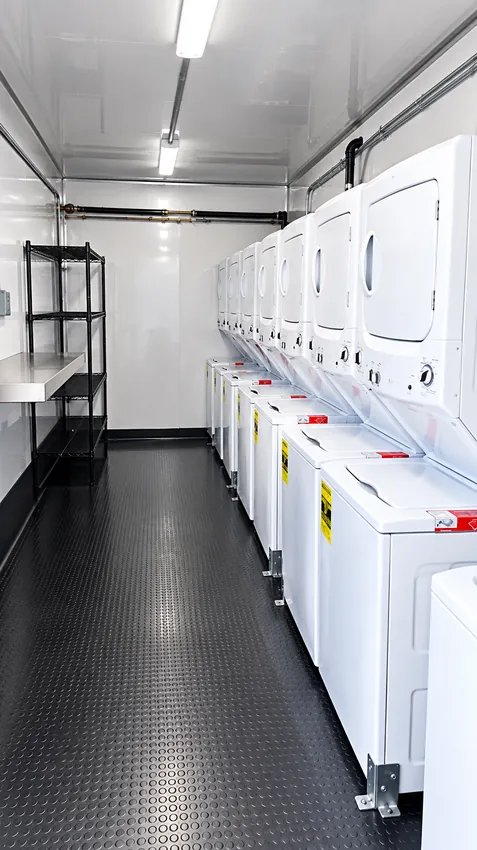
Commercial washer and dryer units inside a temporary laundry facility

Laundry Trailers

Support longer assignments with temporary laundry facilities planned around crew size, expected loads, utilities, servicing, and available space at the site.

Explore facility ↗

Norwood lost its post office when the railroad bypassed it

Norwood had a post office from March 1902 until November 1906, but the new rail line favored the planned Harrington site about a mile away. When the post office closed at Norwood, service opened at the place then called Haworth. If a local history group revisits this move with a walking exhibit, a portable handwashing station station could serve volunteers and visitors at the event site.

The names are easy to conflate because the settlements stood close together. The historical record makes the distinction clear: Norwood was a separate earlier village, not an alternate official name for Haworth.

The 1903 townsite sale did not immediately create a boom

Haworth’s 45-acre townsite was approved on April 1, 1903, and lots sold quickly, but development remained slow until Oklahoma statehood in 1907. The gap between a surveyed plat and a functioning town is a useful reminder that real-estate activity alone does not show when a community gained services. A future archival display could use a portable restroom trailer for visitors attending a scheduled opening.

OHS traces the change to statehood-era growth and the area’s timber economy, rather than claiming the first lot sale instantly produced a thriving business district.

Plan the site

Start with your workforce and location.

Share the crew size, project term, rooming preferences, and service needs. We’ll review practical placement, access, utilities, and delivery considerations for the address.

Discuss your site ↗

Timber gave early Haworth a hardwood-market role

The surrounding forests supplied oak, hickory, and pine, and mills nearby processed the trees. Haworth became a hardwood market as well as a pine-lumber producer. A modern forestry demonstration or restoration day would be a setting where a portable handwashing station could be useful for participants handling tools and materials; the product is a possible future rental, not part of the historical record.

That economy depended on the timber resource around town. OHS says the town later lost momentum after much of the hardwood and pine had been harvested, linking local prosperity to a finite landscape rather than to a permanent mill industry.

Cotton ginning tied Haworth to its farm hinterland

As timber land was cleared, farmers occupied much of the surrounding area and cotton became the main cash crop. Haworth ginned the crop and served as the commercial center for southeastern McCurtain County. If organizers stage a present-day agricultural-history gathering, a portable restroom trailer could support the public event; it would have no connection to past cotton operations.

Three additions had been platted by 1920, while the town’s business district gained banks, stores, restaurants, a telephone exchange, and hotels. Those details show how agricultural trade supported a broader civic center.

A brick school replaced Haworth’s earlier schoolhouse

A school building erected in 1906 was replaced by a two-story brick school completed in 1911. The newer structure belonged to a period when the town was adding durable civic and commercial facilities. A future school-history reunion or preservation event might place a temporary shower-restroom trailer at the approved venue for attendees; no rental is implied in the record.

The school story is one piece of a wider building transition: early wood-frame business buildings gave way to brick construction. OHS records the school dates but does not identify the current condition or use of that campus.

Haworth’s early town center included a bank and newspaper

A bank, newspaper, telephone exchange, several stores, restaurants, and hotels appeared as Haworth grew in the early twentieth century. These services tell a more grounded story of town-building than a population figure alone. For a present-day community-history open house, a portable restroom trailer could support a temporary visitor area while the archival story is told.

The town also had a working water system, according to the Oklahoma Historical Society. The source describes historic infrastructure but does not claim those early facilities remain in service.

Project planning questions

Haworth workforce facility FAQs.

Can you help plan a man camp near Haworth?

Share the project address, workforce count, schedule, and the services your crew needs. EZE Trailer Rentals will review sleeper and supporting facility options for the location.

Which supporting facilities can be planned?

The focus is sleeper accommodation with supporting shower, restroom or bathroom, and laundry facilities. The mix depends on your workforce and site requirements.

Can the facilities be coordinated as one site plan?

Yes. Share how the units need to work together, along with placement, utility, delivery access, and servicing requirements. Final configuration and availability are confirmed for the project.

What information helps plan a project in McCurtain County?

A project address, crew size, rooming needs, dates, access and placement details, available utilities, and the supporting services you want to include.

Haworth’s boom faded as timber and cotton weakened

Haworth flourished through the 1920s, then lost momentum after the timber had been largely cut and cotton became less profitable. In the 1930s, the Depression compounded that downturn; businesses closed or shifted to Idabel and Broken Bow. A future archival or community meeting about this period could use a portable shower trailer trailer for a multi-day volunteer crew, but the unit is only a prospective option.

OHS notes that some main-street brick stores were gradually demolished. The record describes a long economic contraction, not a single disaster or a sudden evacuation.

Reforestation and civic work marked a later Haworth chapter

Federal agencies and private landowners later acquired abandoned acreage and encouraged pine regrowth through natural regeneration and planting. From the late 1970s, Haworth also saw renewed civic activity funded with federal and private money, and its infrastructure was upgraded. A future volunteer day connected to forestry work could use a portable handwashing station station for participants.

The Harris House is six miles south of Haworth and is listed on the National Register; it is a nearby historic property, not a building inside town. OHS describes the reforestation effort and the site’s distance explicitly.

EZE Trailer Rentals

Plan your Haworth site.

Tell us about the crew, timeline, and facilities you need for your Oklahoma project.